Consumers are moving away from conventional tablets and capsules toward innovative food-based alternatives, put off by the unpleasant taste and unsatisfactory experience these traditional forms deliver. Functional gummies, which deliver nutritional benefits in a snack-like format, cater to consumers’ dual desire for enjoyable flavors and effective health management.
However, the development of functional candy presents a core technical challenge: maintaining the stability of active nutrients during gummy manufacturing and storage while ensuring desirable sensory qualities.
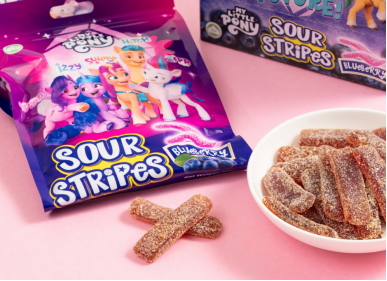
Factors Influencing the Stability of Nutrients in Gummy
Functional gummies operate within a complex multiphase matrix, where active ingredients encounter multiple stability challenges. The primary influencing factors fall into four categories:
1. Thermal Inactivation During Processing
Gummy production typically involves several heat-intensive stages, including gelling agent dissolution, syrup cooking, and depositing. Heat-sensitive compounds, such as vitamin C, B-group vitamins, probiotics, and enzymes, undergo significant structural degradation and potency loss under elevated temperatures.
This thermal stress often results in final nutrient levels falling well below initial additions, with complete deactivation observed in some cases. For manufacturers developing custom gummies with heat-labile actives, careful thermal management during processing is critical.
2. Moisture-Mediated Degradation
Gummies generally contain 15–20% moisture, with a water activity (Aw) of 0.5-0.7. Moisture migration within the gummy matrix alters localized chemical microenvironments, accelerating both hydrolytic reactions and oxidative breakdown of vitamins.
Higher water activity correlates directly with accelerated nutrient deterioration rates. This presents particular challenges for organic gummy formulations, where traditional preservatives may be restricted.
3. The Dual Role of pH
Most functional gummies employ acidic formulations, with pH values typically maintained between 3.5 and 4.5. This acidity range serves a protective function for certain compounds—vitamin C, for instance, benefits from reduced oxidative discoloration.
However, the same acidic environment may compromise other ingredients: certain mineral salts, including calcium and iron variants, can experience solubility shifts and reduced bioavailability. Tolerance thresholds vary considerably across different nutrients.
4. Ingredient Interactions
Co-formulation of multiple functional ingredients introduces potential compatibility issues.
Mineral ions, particularly iron, copper, and zinc, can catalyze the oxidation of vitamin C, leading to the simultaneous degradation of both components. The compatibility between gelling matrices (gelatin, pectin, starch, and alternatives) and functional additives also influences final product stability.
Certain bioactive compounds may interfere with gelation processes; polyphenols, for example, can cross-link with gelatin, altering the intended network structure.
How Rungu Balances Stability and Taste
At Rungu, we firmly believe that a truly exceptional functional gummy must represent the perfect fusion of inner quality and outer enjoyment. Leveraging our state-of-the-art production facilities and dedicated R&D capabilities, we are uniquely positioned to tackle the dual technical challenges of stability and taste.
1. Product Development and Manufacturing
(1) Advanced Production Infrastructure and Dedicated R&D
Since our establishment in 2001, we have consistently invested in advancing gummy production technologies. We introduced a fully automated gummy production line from NID in Australia, laying a solid foundation for large-scale, high-quality functional gummy manufacturing.
On the R&D front, we boast a specialized team of five seasoned experts focused on product innovation and quality enhancement, while maintaining technical collaborations with international specialists.
(2) Certified Quality Systems
Our quality management systems hold ISO 22000, ISO 9001, BRC, and HALAL certifications, ensuring our production facilities meet rigorous international standards. These certifications mandate strict process controls—including temperature and humidity management—establishing a solid quality assurance framework for functional candy production.
(3) Proprietary Process Technologies
In terms of intellectual property, we have accumulated significant proprietary know-how in the confectionery sector. Our patented techniques, for instance, involve precise temperature management methods such as water bath heating (maintained at 70-75°C) and controlled cooling solidification. These methods demonstrate our proven expertise in meticulously managing temperature parameters throughout the candy production process.

2. Texture Optimization Technologies
(1) Flavor Masking Techniques
The metallic notes from minerals (iron, zinc, calcium) and bitterness from B vitamins present significant sensory challenges in functional gummies. We have developed a comprehensive masking approach that includes: incorporating natural fruit juices and organic acids to modulate taste perception; selecting complementary flavor systems to enhance fruit profiles; and employing encapsulation technologies to minimize the direct release of undesirable taste compounds.
(2) Texture Modulation
The chewiness and melt-in-mouth characteristics of gummies are primarily determined by gelling agent selection and blending ratios. Our production lines accommodate multiple gel systems, including gelatin, pectin, and starch, allowing formulation adjustments based on target texture profiles. By optimizing gel concentrations, sugar alcohol ratios, and drying conditions, we achieve gummies with desirable textural properties: resilient yet non-adherent, soft with a satisfying chew.
(3) Sugar Reduction Formulations
To satisfy the growing appetite for healthier options, we have developed sweetening systems based on polyols (erythritol and xylitol) and natural sweeteners (steviol glycosides). By precisely adjusting polyol ratios and processing parameters, we ensure that sugar-free gummies deliver a sensory experience comparable to that of conventional products.
Conclusion
The development of functional gummies represents a complex intersection of food science, nutrition, and sensory engineering.
Whether you are developing a new functional gummy line or seeking to improve an existing product, Rungu offers the technical expertise, manufacturing capabilities, and quality assurance required to bring your vision to life.