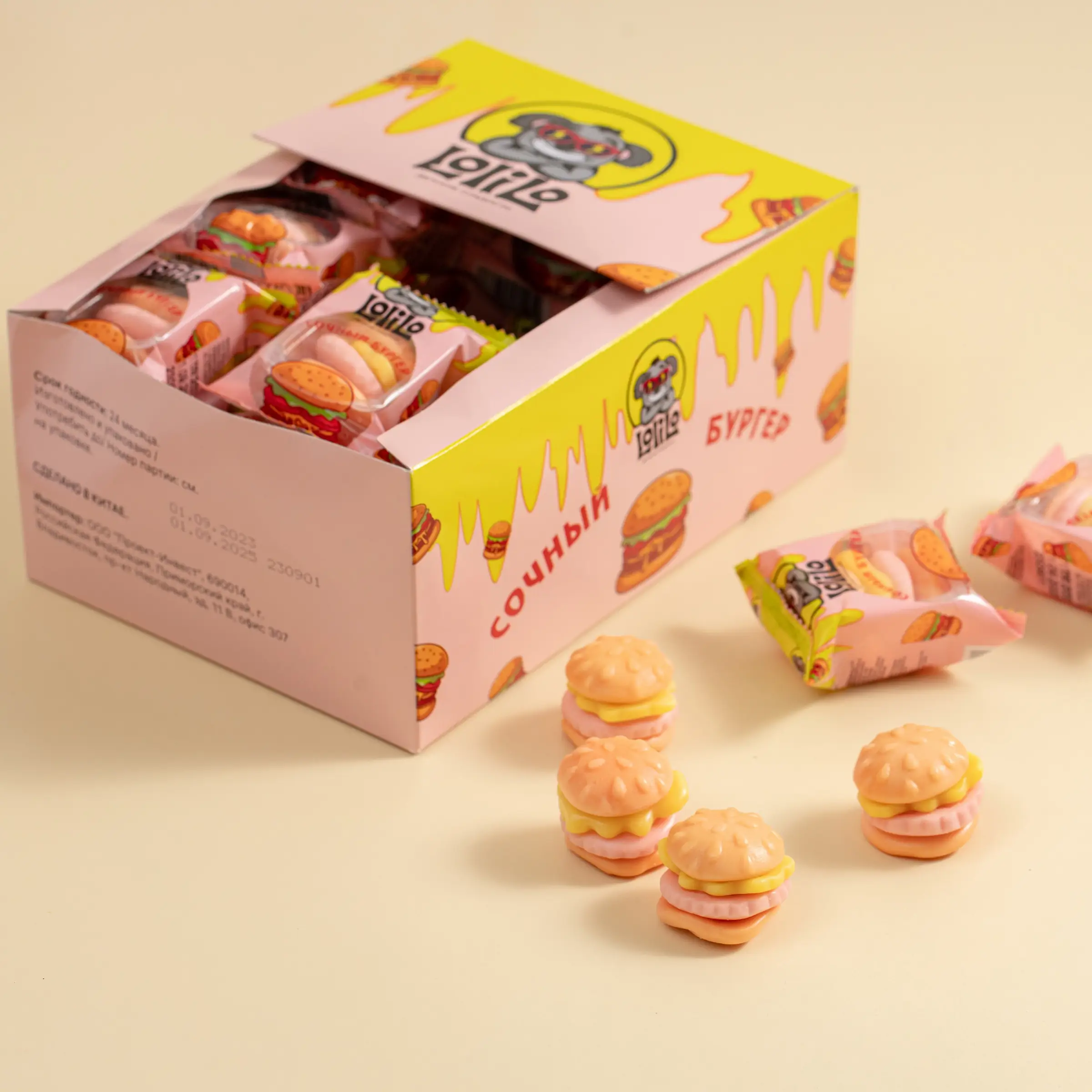
Shoppers often decide whether to inspect a confectionery product before they have read its flavor or ingredient details. Distinctive silhouettes, recognizable objects, and unexpected designs can interrupt routine browsing and spark curiosity, giving hamburger candy a different kind of shelf appeal from conventional bears, worms, or fruit-shaped sweets.
Yet an unusual shape alone does not determine retail success. Packaging clarity, price, display location, audience expectations, and the actual eating experience all influence whether initial interest turns into a purchase. At HAPI, we see novelty confectionery as a category worth understanding through both consumer behavior and practical merchandising.
How Visual Novelty Captures Attention
Retail shelves contain many products competing for a shopper’s limited attention. Familiar packaging can help customers find their preferred items quickly, but unusual shapes may encourage them to pause and take a closer look. A sweet designed to resemble a miniature meal creates a visual contrast with ordinary candy, making the product easier to notice without relying entirely on bright colors or oversized graphics.
Recognition plays an important role in that response. People can identify familiar objects with little effort, and food-inspired designs may trigger associations with play, humor, or shared experiences. This effect can be particularly relevant in confectionery purchased for children’s parties, themed events, or small gifts, although individual preferences and cultural associations vary.
Novelty should still be relevant to the intended audience. Retailers can compare shoppers’ reactions to playful designs, classic shapes, and seasonal products rather than assuming that the most unusual item will attract the most sales. Shelf observations and small-scale tests provide useful evidence about which visual concepts generate genuine interest.
Why Shape Influences the Shopping Experience
Product shape contributes to how consumers interpret an item before opening the package. Familiar forms can communicate a theme immediately, while abstract designs may require more explanation through the product name or packaging artwork. A recognizable food-inspired silhouette can make a confectionery item feel entertaining and suitable for informal sharing, particularly when its presentation supports that impression.
Shape also affects the way shoppers imagine eating the product. Small pieces may suggest easy portioning, while layered or multi-part designs can create expectations about texture and appearance. Those expectations should match the actual candy as closely as possible; a mismatch between the image and the product can undermine satisfaction even if the initial design attracts attention.
Physical dimensions matter to retailers as well. Oversized novelty pieces may require more packaging material or occupy more shelf space per serving, whereas compact sweets can fit into gift assortments and impulse-buy displays. Evaluating dimensions alongside unit price and pack size helps buyers judge whether a design works for the intended retail format.
Match Novelty Products to the Right Audience
Different shopping occasions call for different product characteristics. Parents may look for individually portioned treats for celebrations, teenagers may respond to playful visual concepts, and adults may purchase unusual sweets as conversation pieces or small gifts. These are useful hypotheses for assortment planning, not universal rules; retailers should confirm them through sales patterns and customer feedback.
When working with a wholesale candy supplier, the packaging format can influence which audience finds the product convenient. Clear product imagery helps shoppers understand what they are buying, while readable flavor and ingredient information supports more informed decisions. If the item is intended for parties or gifting, buyers should also consider portability, storage, and the number of servings in each pack.
Seasonality offers another opportunity to test demand. Novelty confectionery may fit themed displays, school celebrations, holiday assortments, or event-related promotions. Retailers can introduce limited quantities during relevant periods, compare results with ordinary weeks, and adjust future orders based on observed performance rather than relying solely on visual appeal.
Design Packaging That Supports Shelf Visibility
Distinctive candy shapes work best when shoppers can understand the product quickly. Packaging should communicate the item’s identity, flavor range, net weight, and key purchasing information without forcing customers to search through decorative elements. Strong visual hierarchy helps the product name remain readable while allowing illustrations to express the playful concept.
The package also has a practical job beyond attracting attention. Seals, material strength, and suitable outer cartons help protect candy during transport, storage, and shelf replenishment. Retailers should review packaging durability and labeling requirements for their target markets, especially when products will be imported or distributed through several handling stages.
For category buyers, the 120g assorted gummy candy listed under the Hamburger Candy category illustrates how a recognizable theme can be paired with a defined pack size. We recommend checking the actual retail presentation, piece count, and carton configuration before allocating shelf space or estimating the number of consumer units in each shipment. Such details affect both display planning and inventory calculations.
Conclusion
Novelty shapes give confectionery retailers another way to create visual variety, encourage curiosity, and serve occasion-based purchases. At HAPI, we believe these products deserve evaluation through audience fit, packaging performance, consumer expectations, and measurable sales rather than appearance alone.
Buyers working with a wholesale candy supplier can assess samples, confirm specifications, and test demand before expanding distribution. When hamburger candy fits the store’s customers and price range, its playful design can contribute meaningful variety to the confectionery aisle; the strongest decisions come from combining creative presentation with evidence from actual shoppers.