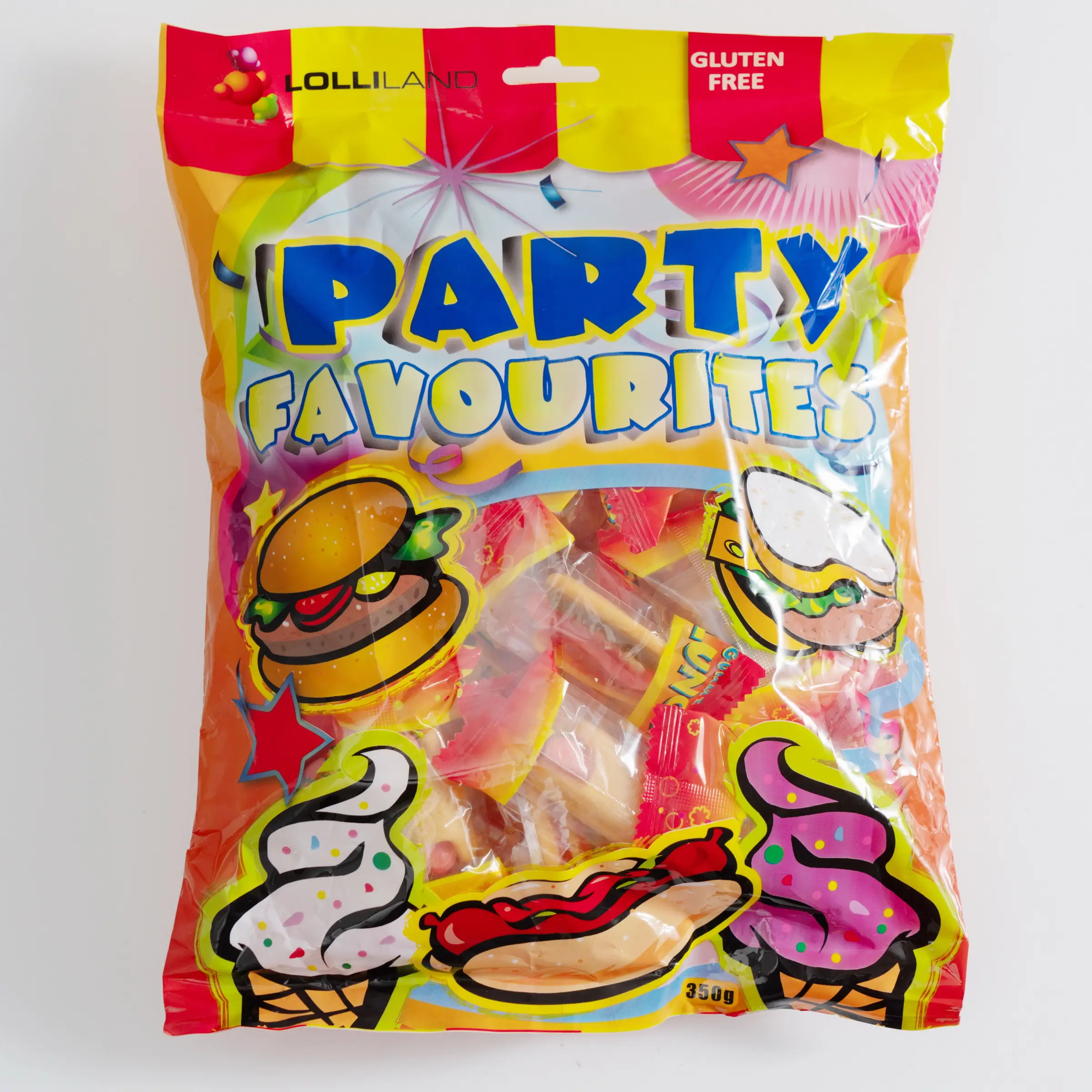
The names of novelty sweets can sound interchangeable, especially when both products take inspiration from the same familiar food. Yet burger jelly candy and gummy-style confectionery may differ in texture, formulation, moisture content, and the way manufacturers produce them.
The distinction is not always obvious from the product name alone, because candy terminology varies between markets and suppliers. At HAPI, we believe buyers and curious consumers benefit from looking beyond the label to understand the ingredients, physical properties, and product specifications that define each confectionery item.
How the Two Candy Names Are Used
The word “gummy” commonly describes candy with an elastic, chewy bite, often created with a gelling ingredient such as gelatin or pectin. “Jelly candy” can refer to a broader range of gelled sweets, including products with softer, more yielding, or less elastic textures. However, these terms do not have one universal definition across every manufacturer or market.
Shape alone cannot establish the difference. A hamburger-inspired sweet may use the word “gummy” because of its chewiness, while another supplier may call a visually similar product “jelly candy.” Both labels can describe a novelty confection shaped like a miniature burger, even when the recipes or textures are not identical.
Buyers should therefore treat product names as an initial description rather than a technical specification. Ingredient lists, texture samples, product photographs, and documented specifications provide stronger evidence when comparing two items. Clear terminology becomes particularly useful when products are sourced internationally, where naming conventions may differ.
Compare Ingredients and Gelling Systems
Texture begins with the formulation. Gelatin creates a flexible, elastic network that can give gummy sweets their familiar resistance during chewing. Pectin, derived from plant sources, can produce different gel structures depending on its type, acidity, and sugar concentration. Other gelling agents may also be used, so the product category cannot be determined by one ingredient alone.
Sugar and glucose syrup influence more than sweetness. Their proportions affect the candy’s solids content, body, moisture behavior, and resistance to crystallization. Acids and flavorings contribute to taste, while processing conditions influence how the final gel develops. Even small formulation changes may produce noticeable differences in firmness and mouthfeel.
Dietary requirements add another consideration. Consumers seeking gelatin-free products need to check the ingredient declaration rather than assume that every jelly candy is plant-based. Likewise, buyers should verify allergen statements and relevant labeling claims with the manufacturer. Ingredient transparency matters more than the product name when suitability for a particular customer group is being assessed.
Understand Texture and Moisture
Chewiness and softness are related, but they are not identical characteristics. Elastic gummies tend to resist the first bite before gradually yielding, while some jelly-style sweets feel softer or less springy. These descriptions are general tendencies rather than fixed rules; formulation and processing can create substantial overlap between the categories.
Moisture content also affects the experience. Excess moisture may make some candies sticky or less stable during storage, whereas excessive drying can produce a tougher texture. Packaging, temperature, humidity, and storage duration can all influence the condition of the finished product, which is why samples should be evaluated under realistic handling conditions.
Examine How Novelty Shapes Are Produced
Hamburger-inspired candy relies on shape design to create a recognizable visual effect. Depending on the product, the appearance may be formed in one molded piece or built from multiple colored components. The chosen method affects the definition of individual layers, production complexity, and how well the shape holds up during packaging and transportation.
Molding conditions influence the final result. Mixture temperature, viscosity, deposit weight, and setting time can affect whether the mold fills properly and whether small details remain visible. Poorly controlled conditions may create uneven pieces, blurred edges, or inconsistent dimensions. Manufacturers therefore evaluate both appearance and physical quality during production.
A product listed on our website as 120g assorted gummy candy belongs to the Hamburger Candy category. For buyers comparing it with other burger-shaped sweets, the retail weight and assortment description are useful starting points, but the exact texture, ingredients, and construction should be confirmed through the product specification or a physical sample. We recommend checking these details before assuming that two similarly named products are equivalent.
Evaluate Packaging and Shelf Stability
Packaging can affect both the consumer experience and the product’s condition. A suitable package helps limit unwanted moisture exchange, protects the candy from contamination, and reduces damage during distribution. The required barrier properties depend on the formulation and expected storage environment, so packaging decisions should be based on the product rather than appearance alone.
Shelf-life information deserves careful review. Manufacturers assess changes in texture, flavor, color, and package integrity over time under defined conditions. Buyers should request the stated shelf life, recommended storage conditions, net weight, ingredient declaration, and applicable food-safety documentation. Local labeling rules may impose additional requirements for imported confectionery.
Commercial buyers also need to understand case quantities, carton dimensions, and the number of retail packs per shipment. A wholesale candy supplier should be able to clarify these details so purchasing teams can estimate freight, storage requirements, and retail pricing accurately. Comparing products on consistent specifications reduces the risk of ordering sweets that look similar but differ in practical ways.
Conclusion
The distinction between gummy and jelly candy is best understood through formulation, texture, production methods, and verified product information rather than naming alone. At HAPI, we encourage buyers to compare ingredient details and physical samples before deciding whether two novelty sweets suit the same purpose.
For businesses sourcing burger jelly candy, questions about gelling agents, shelf stability, packaging, and case specifications can help clarify what the product actually offers. A knowledgeable wholesale candy supplier can support that assessment with accurate documentation, allowing buyers to make decisions based on product characteristics instead of assumptions drawn from the name.