A successful gummy product starts as an idea, but turning that idea into a finished commercial product requires several coordinated steps. For brands, retailers, distributors, and other buyers, the process can involve product positioning, formula development, shape design, ingredient selection, quality control, packaging, and production planning. Understanding how a custom gummy manufacturer moves through these stages helps businesses set realistic expectations and make better sourcing decisions.
From Product Idea to a Clear Manufacturing Brief
The first stage is translating a product concept into specifications that a production team can understand. Instead of simply requesting a “fun gummy,” buyers should define the intended audience, product type, flavor direction, shape, functional positioning, packaging requirements, and market.
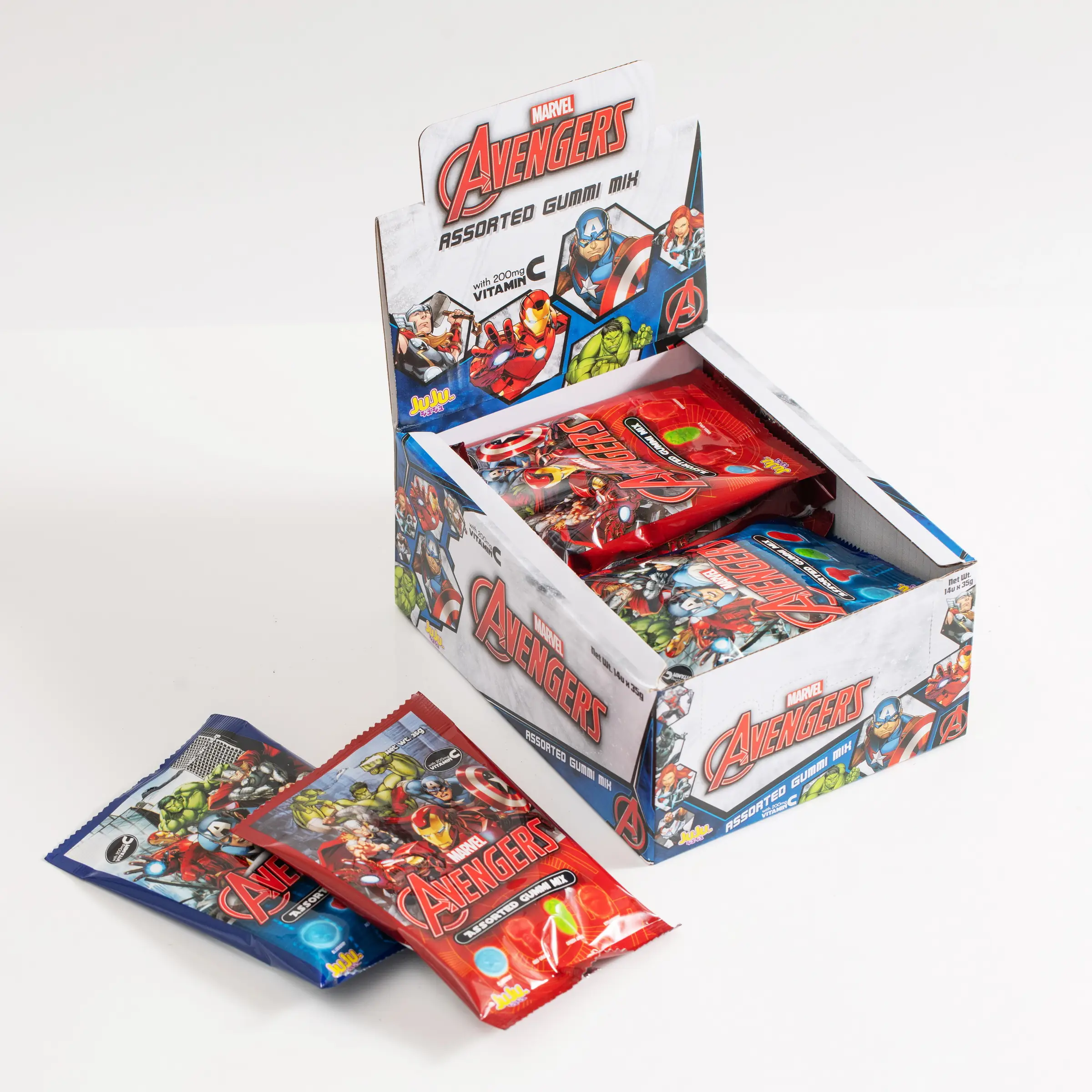
For a children’s vitamin gummy, for example, the concept may combine recognizable character shapes with a nutrient-focused formula. Our Disney Avengers gummy candy is positioned around familiar Avengers shapes, natural flavors, and nutrients including Vitamin C, Vitamin D, and Zinc. Its supplied specifications also include no artificial colors, gelatin-free, non-GMO, and gluten-free characteristics.
A detailed brief gives the manufacturing team a practical foundation for evaluating whether the proposed product can be produced consistently. It also reduces misunderstandings later when samples, packaging artwork, and production specifications are reviewed.
Developing the Formula and Gummy Characteristics
Once the concept is defined, formulation becomes an important part of product development. Gummy products require more than selecting a flavor. Texture, structure, sweetness, appearance, ingredient compatibility, and the intended nutritional profile all need to work together.
For supplement-style gummies, buyers should also distinguish between the product concept and the claims that can legally appear on its label. In the United States, dietary supplement labeling has specific requirements for nutrition information and product identity. FDA guidance states that dietary supplements generally need an appropriate statement of identity and a Supplement Facts panel.
This is why custom gummy manufacturers should be involved early when a product includes vitamins, minerals, or other active ingredients. Formula decisions can affect texture, flavor, serving format, labeling, and production requirements simultaneously.
Designing Shapes That Match the Brand Concept
Shape development can turn an ordinary gummy into a recognizable branded product. Character-inspired shapes, animals, fruits, bottles, and other forms can help connect the physical candy with the product’s positioning.
Our Avengers gummy candy uses fun Avengers shapes to support its character-based concept. For a commercial project, the manufacturing discussion should cover the desired shape, size, appearance, color approach, and acceptable tolerances. Buyers should also confirm that any licensed character or intellectual property elements are properly authorized for the intended market and product application.
A custom gummy manufacturer can then translate the approved concept into production tooling or an appropriate manufacturing format. Sampling is particularly useful at this stage because visual appearance on a design file may differ from the finished candy.
Sampling, Testing, and Production Approval
Before large-scale production, samples allow both sides to evaluate whether the proposed product matches the agreed specifications. Depending on the project, review points can include flavor, texture, shape, color, ingredient information, and overall appearance.
For products carrying allergen or dietary claims, documentation and manufacturing controls also matter. FDA guidance identifies nine major food allergens in the United States and requires applicable allergen sources to be properly identified on regulated food labels.
The same principle applies to a “gluten-free” claim. FDA regulations establish conditions for using that claim, including a threshold of less than 20 parts per million of gluten. Therefore, buyers should verify that the finished product and its manufacturing controls support the claims they intend to use.
Moving from Approved Sample to Finished Candy
After the formula and sample are approved, production planning turns the development concept into a repeatable manufacturing process. This stage involves confirming the final specifications, ingredients, packaging, labeling, quantities, and delivery requirements.
For business buyers, consistency is especially important because a commercial product must be reproducible across production batches. A product that performs well as a sample still needs appropriate controls during full-scale manufacturing.
When evaluating custom gummy manufacturers, we recommend asking how specifications are recorded and communicated from development through production. Clear documentation helps ensure that the approved version—not an informal description of it—is used as the reference for manufacturing.
Packaging and Commercial Readiness
The final stage is not simply about producing the gummy itself. Packaging must present the product appropriately while carrying the information required for its market. For a character-based children’s product, packaging may need to balance recognizable visuals with clear product information.
Our Disney Avengers gummy candy is supplied as a nutrient-focused gummy concept with natural flavors and a formulation positioned around Vitamin C, Vitamin D, Zinc, and antioxidants. Its stated product characteristics include no artificial colors, gelatin-free, non-GMO, and gluten-free. Any final packaging claims should be checked against the finished formula, applicable regulations, and supporting documentation.
Turning a Concept into a Repeatable Product
The journey from concept to finished gummy involves much more than manufacturing candy. It connects product positioning, formulation, shape development, sampling, compliance considerations, quality control, and packaging into one coordinated workflow. Businesses that understand these stages can communicate their requirements more clearly and evaluate suppliers more effectively.We at HAPI work with buyers who need to transform product concepts into commercially practical gummy products, including character-inspired and nutrient-focused formats. Our Disney Avengers gummy candy combines recognizable shapes, natural flavors, and the specified dietary characteristics to support a distinctive product concept. By working closely with custom gummy manufacturers from the earliest brief through final production, we can help turn an initial idea into a clearly defined finished product.