Turning a gummy candy concept into a retail-ready product requires more than a good flavor idea. Businesses must consider product development, ingredient options, packaging, production consistency, and supplier communication before placing an order. Choosing the right manufacturing partner can help retailers, wholesalers, and private-label brands move from concept to market with fewer avoidable complications. By evaluating capabilities and expectations early, we at HAPI can build a product that fits our target customers and commercial goals.
Define Your Product Concept Before Contacting Suppliers
Before approaching a custom gummy manufacturer, we should outline the product’s purpose and intended audience. A gummy designed for convenience store impulse purchases may require different packaging and flavor positioning from one intended for seasonal promotions, gift boxes, or branded corporate merchandise.
Start with a basic product brief covering the desired shape, flavor profile, package format, target market, and expected retail price. We should also clarify whether the product will use an existing gummy format with modifications or require more extensive development. A clear brief helps suppliers assess feasibility and provide more relevant proposals.
Evaluate Product Customization and Development Capabilities
Not every manufacturer offers the same level of customization. Some primarily produce established products with limited variations, while others support broader adjustments to flavor, shape, branding, and packaging. We should confirm which options are available for the specific product rather than assuming every requested change is possible.
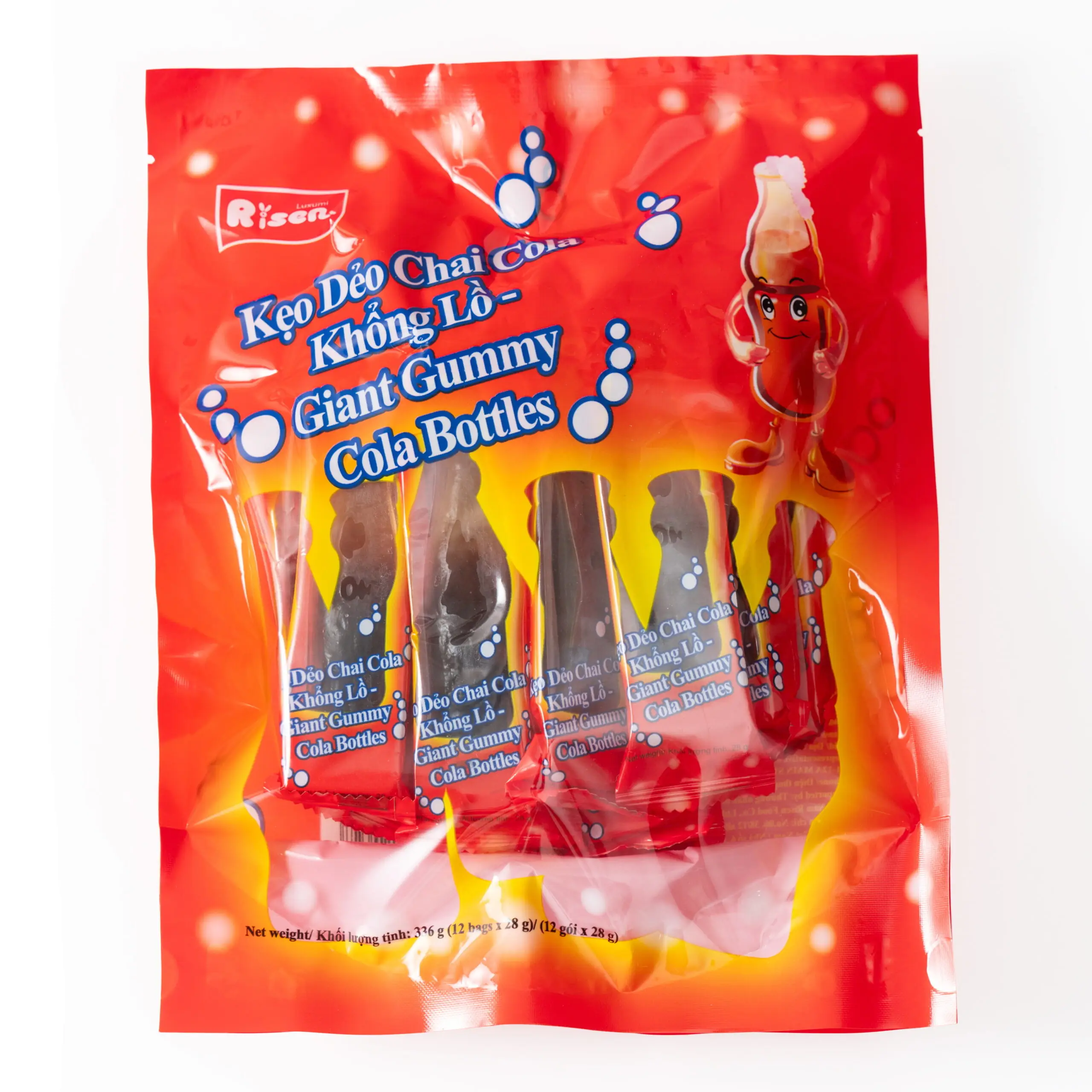
For example, our 28g Cola Bottle Gummy Candy offers a familiar bottle shape with customizable fruit flavors. Branded packaging is available in bags or color boxes, and both OEM and ODM services are accepted. These options give business buyers a starting point for developing a product aligned with their brand identity and sales channels.
Check Food Safety and Quality Control Standards
Product quality should be a central part of supplier evaluation. We need to understand how a manufacturer manages ingredient sourcing, production hygiene, batch consistency, and finished-product inspections. Ask what quality records are available, how product defects are handled, and whether the supplier can provide relevant documentation for your target market.
For products sold in the United States, applicable food safety requirements deserve particular attention. The FDA explains that covered food facilities generally need hazard analysis and risk-based preventive controls, subject to applicable exemptions. Packaged foods must also meet relevant labeling requirements, including applicable allergen disclosures. We should verify compliance responsibilities with the supplier before production begins.
Compare Minimum Orders, Pricing, and Production Capacity
Pricing is only one part of the purchasing decision. A quotation should clarify the product cost, packaging expenses, sampling charges, customization fees, shipping arrangements, and any other applicable costs. We should also ask about minimum order quantities, payment terms, production lead times, and procedures for repeat orders.
When comparing custom gummy manufacturers, we should consider whether their production arrangements match our current demand and future sales plans. A large order may reduce the unit price but increase inventory and storage costs. Smaller initial orders, where available, can help businesses test market response before committing to larger purchasing volumes.
Assess Packaging and Brand Presentation Options
Packaging influences shelf visibility, product protection, storage, and the customer’s first impression. Before selecting a supplier, we should confirm whether it supports branded packaging, different package formats, and artwork customization. It is also worth checking how packaging requirements affect pricing, minimum quantities, and production schedules.
Our 28g Cola Bottle Gummy Candy supports branded bags or color boxes, offering two formats to consider for different retail and promotional applications. Buyers should confirm the final package dimensions, material options, labeling details, and artwork specifications before approving production. These checks help ensure that the finished product reflects the intended brand presentation.
Review Communication and Sampling Procedures
A manufacturing relationship involves multiple decisions, from approving the initial concept to confirming packaging artwork and arranging delivery. Clear communication helps prevent misunderstandings about flavor, appearance, specifications, and deadlines.
Before placing a bulk order, we should ask whether samples are available and establish written approval criteria. Depending on the customization offered, these criteria may cover flavor, texture, shape, package appearance, and labeling. We should also identify a contact for production updates and understand how changes or quality concerns will be handled.
A reliable custom gummy manufacturer should be able to explain its capabilities and limitations clearly. Rather than relying on broad promises, we can request written quotations, product specifications, sample details, and agreed production milestones to support an informed purchasing decision.
Build a Supplier Relationship That Supports Growth
The right supplier should fit both our immediate requirements and our longer-term business plans. As demand changes, we may need additional flavors, revised packaging, new product formats, or larger production volumes. Discussing these possibilities early helps us understand how much flexibility the manufacturer can provide.
When assessing custom gummy manufacturers, we should compare documented capabilities against the same checklist instead of relying on price alone. Relevant considerations include product customization, food safety practices, packaging choices, communication, order flexibility, and delivery expectations. This approach creates a clearer basis for supplier selection and ongoing performance reviews.
Turn Your Gummy Idea into a Commercial Product
Choosing a gummy supplier starts with a clear product brief and continues through quality verification, cost evaluation, packaging approval, and communication planning. By checking these areas before committing to a production run, we can reduce avoidable risks and establish realistic expectations for our launch.At HAPI, we support business buyers exploring customized candy products through options such as customizable fruit flavors, branded packaging, and OEM and ODM services for our 28g Cola Bottle Gummy Candy. Contact us to discuss your product concept and explore suitable customization options for your business.