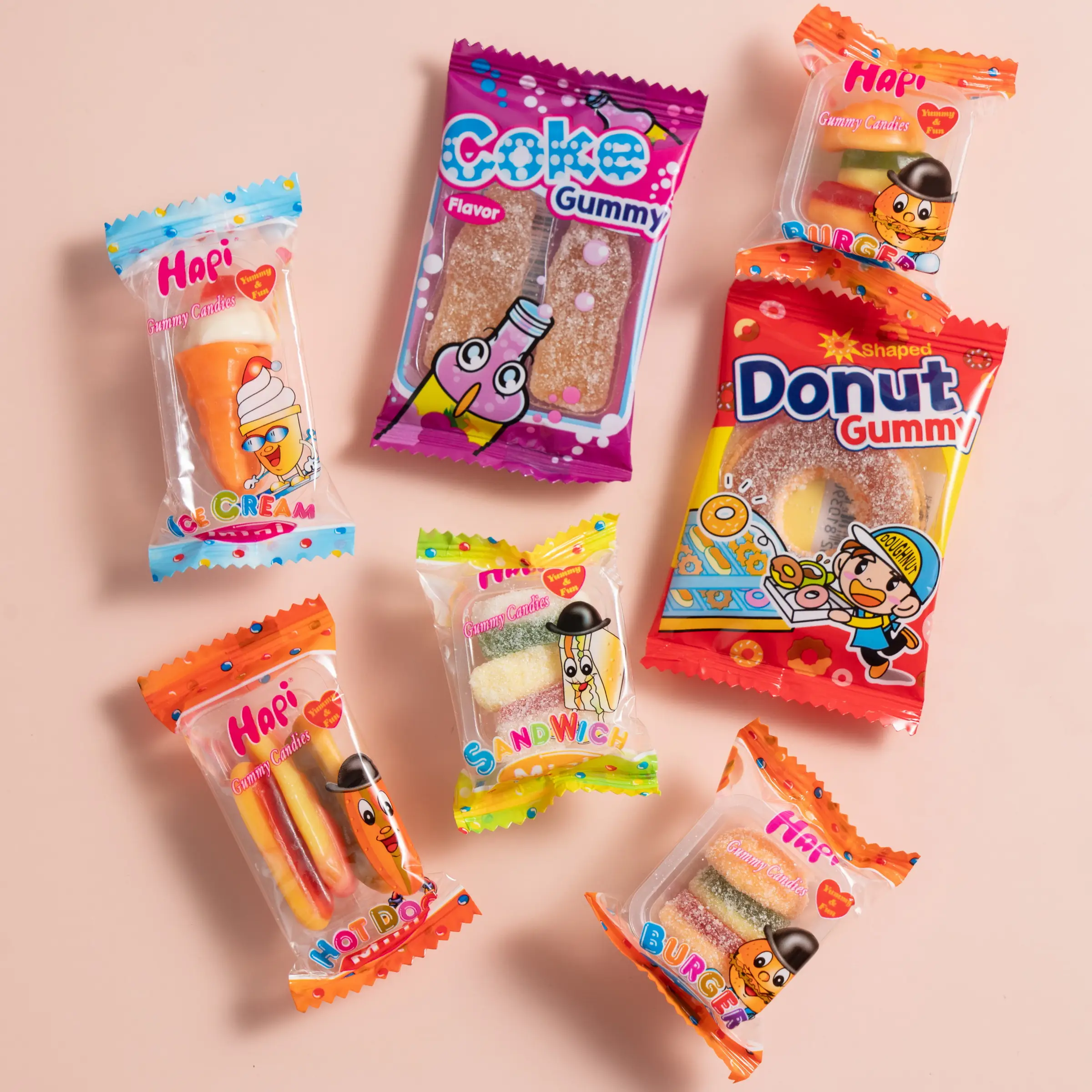
A product sample is more than a taste test for a retailer, importer, or distributor. It is an early check of whether a supplier can translate a product concept into consistent commercial goods. When reviewing samples from a custom gummy manufacturer, buyers should assess flavor, texture, appearance, packaging, labeling information, and production feasibility together.
Start with the Product Brief
Before tasting, buyers should compare the sample against the original product brief. Confirm the requested gummy shape, size, color, flavor profile, texture, sweetness, and any other agreed characteristics.
For a custom gummy manufacturer, consistency with the approved brief is particularly important. If several samples are provided, compare them side by side. Look for differences in shape, surface finish, color distribution, filling, and weight. Small variations can become more significant when thousands of units are produced.
Evaluate Flavor and Texture
Flavor should be assessed systematically rather than simply deciding whether the candy tastes good. Check whether the fruit flavor is recognizable, balanced, and appropriate for the intended customer base. Buyers should also consider sweetness, acidity, aftertaste, and whether the flavor remains pleasant after chewing.
Texture deserves equal attention. Examine firmness, chewiness, elasticity, stickiness, and how quickly the gummy breaks down during chewing. A commercial sample should provide a repeatable eating experience. If the texture changes noticeably between pieces, ask the custom gummy manufacturers about their process controls and acceptable production tolerances.
Check Appearance and Physical Quality
Visual presentation can strongly influence how confectionery performs on a retail shelf. Inspect each piece for uniform color, clean edges, consistent shape, surface defects, excessive oiliness, sugar crystallization, or deformation. For shaped gummies, details should remain recognizable and consistent from piece to piece.
Also examine packaging samples when available. Check whether the bag or box protects the candy, closes securely, and presents the branding clearly. Our 70g Happy 7 Gummy Candy supports branded packing in a bag or color box, allowing buyers to evaluate how the selected packaging format works with their retail concept.
Review Ingredients and Labeling Information
A sample evaluation should include documentation, not just the physical candy. Ask for the ingredient statement, allergen information, nutrition information where applicable, shelf-life details, and relevant product specifications. For U.S.-market packaged foods, FDA requirements address ingredient and major allergen declarations, while nutrition labeling has its own requirements.
Allergen controls also deserve attention. FDA identifies nine major food allergens, including milk, eggs, peanuts, wheat, soybeans, and sesame, among others. Buyers should confirm that the supplier’s documentation matches the actual formulation and intended label.
Assess Manufacturing and Quality Controls
A sample does not automatically prove that every production batch will match it. Ask how the supplier controls raw materials, cooking, molding, flavor addition, cooling, packaging, and finished-product inspection. Buyers should also request information about batch consistency and how deviations are identified and corrected.
For food manufacturers subject to U.S. FDA requirements, 21 CFR Part 117 establishes current good manufacturing practice and risk-based preventive control requirements for human food, subject to applicable exemptions.
Confirm Customization and Commercial Fit
A good sample should be evaluated against the commercial plan as well as the product concept. Confirm whether the supplier supports OEM or ODM, which packaging formats are available, what customization is possible, and whether the minimum order quantity fits your purchasing model.
For example, our 70g Happy 7 Gummy Candy accepts both OEM and ODM customization. Fruit flavors are customizable, and branded packing is available in a bag or color box. Its listed MOQ is 1,000 cartons, with each carton specified as 350g × 12 bags. Buyers should reconcile these figures with the exact commercial configuration before placing an order. This is one reason experienced custom gummy manufacturers document commercial specifications before production.
Ask About Sample-to-Production Consistency
One useful question for custom gummy manufacturers is how the approved sample becomes the production standard. Ask whether the final sample is retained as a reference, how specifications are recorded, and how changes are approved. Written approval can reduce disputes over flavor, texture, color, packaging, and other quality characteristics.
It is also useful to establish which attributes are critical and which can tolerate minor variation. A realistic specification should distinguish measurable requirements from subjective preferences. This gives both buyer and supplier a clearer basis for quality inspection when production begins.
Use a Structured Approval Checklist
Buyers can make sample evaluation more efficient by scoring each category against agreed requirements: flavor, texture, appearance, weight, packaging, labeling documentation, customization, MOQ, and production controls. Record observations immediately and attach photographs or reference samples when appropriate.
The goal is not to select a supplier based on one enjoyable tasting session. Comparing suppliers against the same checklist makes the decision process more consistent. Instead, we should determine whether the sample represents a repeatable product that fits the market, packaging strategy, regulatory needs, and purchasing plan.
Turn Sample Approval into a Production Standard
A successful sample review should end with documented specifications rather than a simple “approved” message. They should confirm the final formula or agreed product profile, packaging artwork, pack configuration, tolerances, inspection criteria, and other commercial terms before mass production.When evaluating a custom gummy manufacturer, the strongest sample is one that can be translated into clear production expectations. By checking the product from sensory, visual, documentation, quality, and commercial perspectives, we can reduce avoidable surprises and build a more reliable sourcing process. At HAPI, we support OEM and ODM customization so buyers can develop branded gummy products aligned with their market requirements.