Turning a gummy concept into a retail-ready product requires more than choosing a flavor and putting a logo on a package. Business buyers must connect product positioning, formulation, shape, packaging, quality controls, labeling, and production planning into one workable process. For brands entering or expanding the gummy category, a capable manufacturing partner can help turn an early concept into a product prepared for commercial launch.
Start With a Clear Product Brief
A strong project begins with a defined consumer and use case. We recommend documenting the intended market, target age group, flavor direction, texture, shape, serving format, pack size, dietary requirements, and target retail price before discussing production details.
The brief should also separate essential features from optional ideas. A brand may want a distinctive shape, several flavors, or a specific nutritional profile, but every addition can affect development, tooling, ingredients, packaging, cost, or lead time. Clear priorities help a private label gummy manufacturer assess what is practical before samples are developed.
Build the Formula Around the Market
Once the concept is defined, formulation becomes the bridge between an idea and a repeatable product. Ingredient selection should consider taste, texture, stability, dosage, color, and the requirements of the destination market. For vitamin or dietary-supplement gummies, regulatory considerations become especially important.
For products sold as dietary supplements in the United States, FDA guidance identifies required label elements including the identity of the supplement, net quantity, nutrition labeling, ingredient list, and the manufacturer, packer, or distributor’s name and place of business. Claims also need careful review. Structure/function claims must be truthful and not misleading, substantiated, and accompanied by the applicable disclaimer and notification requirements.
Develop Samples Before Scaling
Sampling should test more than appearance. Buyers should evaluate flavor, chewiness, shape definition, color consistency, ingredient performance, packaging fit, and overall consumer experience. If the product is intended for repeated production, the sample should also become a reference for future batch consistency.
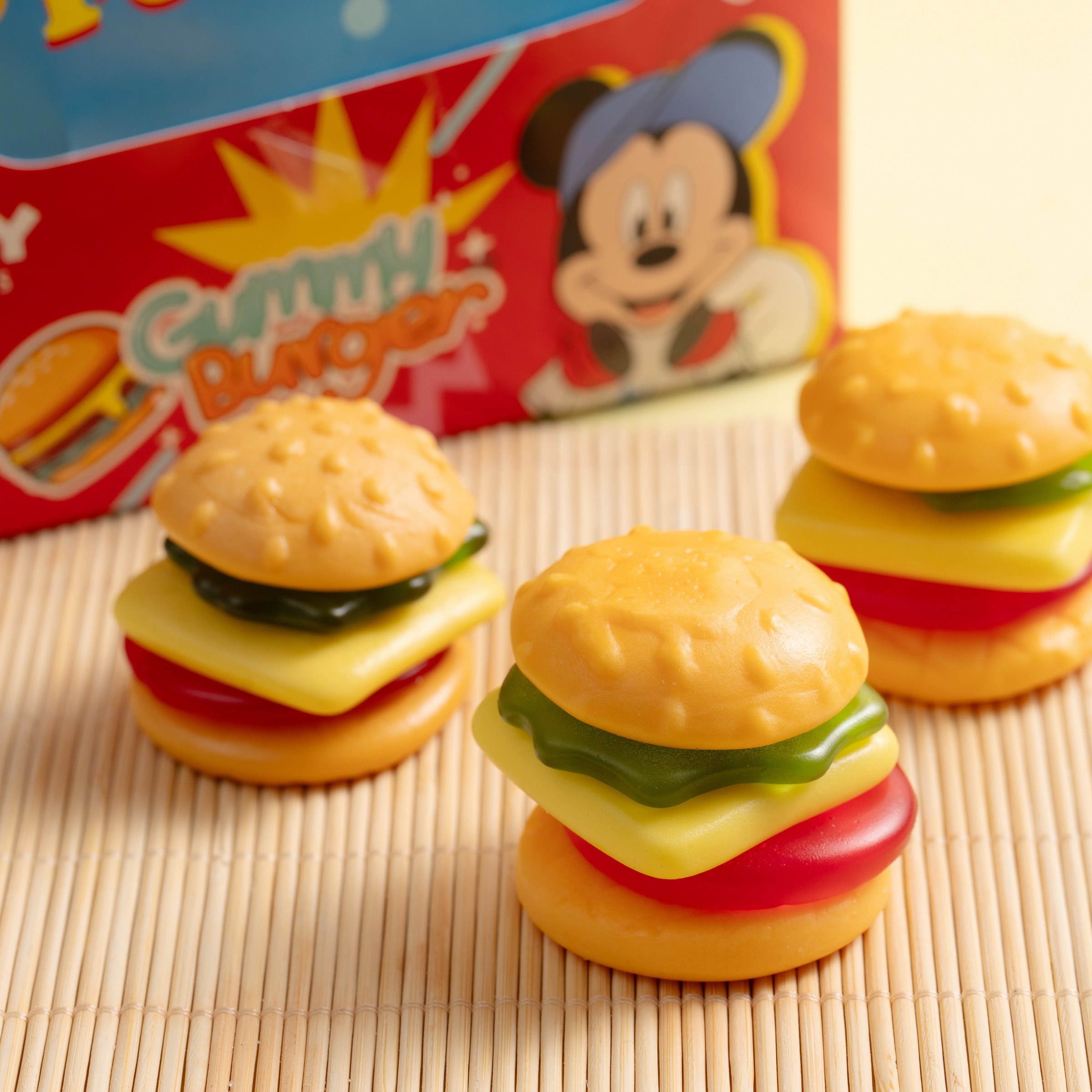
We work with clients on customized gummy development, including flavors, shapes, nutritional profiles, and packaging requirements. Our dedicated product R&D team includes five experienced experts, supporting continuous product improvement as consumer tastes change. We have worked in gummy manufacturing since 2001, giving our team a long-term base for product development and process refinement.
Validate Quality Before the Purchase Order
Commercial buyers should establish quality expectations before placing a large order. Questions should cover ingredient sourcing, incoming-material controls, production monitoring, finished-product checks, testing documentation, traceability, and the standards or certifications relevant to the destination market.
For us, quality is part of the development workflow rather than a final inspection alone. Our manufacturing operations use established food-safety management systems, while our Vietnam facility supports automated gummy production and dedicated lines for different product structures. This helps us combine customization with repeatable manufacturing.
Prepare Packaging and Compliance Together
Packaging should be developed alongside the product, not after manufacturing is finished. The final package must accommodate the product’s dimensions, quantity, storage needs, branding, and required label information. For U.S. dietary supplements, FDA guidance provides specific labeling requirements, so regulatory review should happen before artwork is finalized.
This is also where the brand experience becomes tangible. A private label gummy manufacturer can help coordinate the relationship between the physical gummy, packaging format, and production requirements, reducing avoidable changes late in the project. Samples of finished packaging can help buyers confirm shelf appearance before committing to a full run.
Plan Production for Retail
A successful launch depends on operational planning as much as product quality. Buyers should confirm minimum order quantities, production lead times, packaging quantities, shipping arrangements, and replenishment expectations. They should also consider whether the manufacturer can support future flavor extensions or packaging changes without rebuilding the entire supply process.
At HAPI, our current published information lists a standard MOQ starting at 500 cartons, with custom orders generally quoted at 15–25 days, while ready-made products are listed at 7–10 days. Actual timing depends on project requirements, so we recommend confirming the schedule against the specific formulation and packaging plan.
Move From Launch to Repeat Orders
Retail launch is not the endpoint. Once the product reaches stores, sales feedback can guide decisions about flavor extensions, pack formats, promotional quantities, and future product development. A reliable supply relationship should make these adjustments easier rather than forcing the brand to restart development for every new SKU.
We continue investing in product development because consumer preferences change. Our five-person R&D team works on improving products and gummy production techniques, while our experience across customized gummy projects helps us support brands from initial concept through commercial production.
Turn the Concept Into a Shelf-Ready Product
Private label gummies succeed when creative ideas are supported by disciplined development, compliance, quality control, packaging coordination, and realistic production planning. For business buyers, selecting a private label gummy manufacturer is therefore a decision about the entire supply process, not simply the factory price.
We have supported gummy product development since 2001 and continue to focus on innovation, process improvement, and changing consumer tastes. By working with HAPI from product concept and sampling through manufacturing and retail preparation, brands can build a more structured path from an initial idea to a market-ready range of private label gummies.