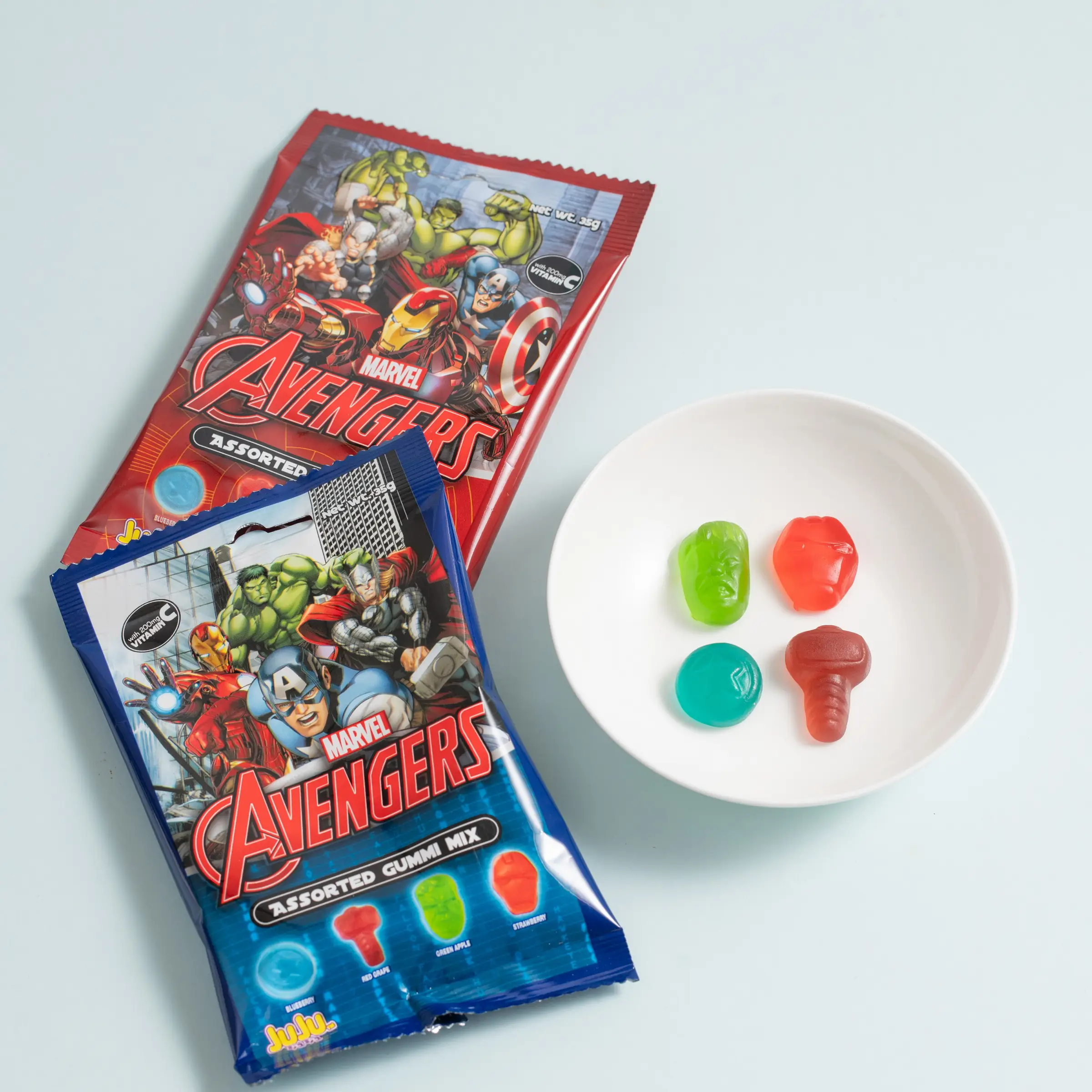
Long-term gummy sourcing requires more than finding a factory that can produce an attractive sample at a competitive price. For retailers, distributors, private-label brands, and other food businesses, the right supplier must demonstrate consistent quality, dependable production, transparent communication, and the ability to support repeat orders. When comparing gummy candy manufacturers, buyers should evaluate whether a supplier can remain reliable as order volumes, product requirements, and market demands change.
Define Your Long-Term Supply Requirements
Before contacting potential suppliers, we recommend establishing clear purchasing requirements. These should cover product type, target quantities, packaging, expected order frequency, quality standards, delivery destinations, and customization needs. A clear specification makes supplier comparisons more meaningful because every candidate is evaluated against the same commercial requirements.
Buyers should also consider future needs rather than judging a factory only by its current order. A supplier may handle a small trial order successfully but lack the production organization needed for regular replenishment. The shortlist should therefore include manufacturers that can understand your expected purchasing cycle and communicate realistic production arrangements.
Assess Quality Control at Gummy Manufacturers
Quality management should be one of the first areas buyers investigate. FDA food CGMP requirements cover areas such as personnel hygiene, facility conditions, equipment, sanitation, and production and process controls. FDA also emphasizes preventive controls and hazard analysis for applicable food facilities.
We recommend asking prospective gummy manufacturers how they screen incoming ingredients, control production, and verify finished products. Strong supplier evaluation should look for documented procedures rather than relying solely on a product sample or sales presentation.
At HAPI, we use strict raw material screening and GMP-certified production lines as part of our quality approach. We also make third-party laboratory testing available through SGS or BV when independent verification is required for a particular order or buyer requirement.
Verify Raw Materials and Production Processes
Ingredient consistency can directly influence the finished gummy’s taste, texture, appearance, and overall uniformity. FDA guidance identifies supplier control, written specifications, sanitation, training, receiving, storage, and traceability as important elements of food safety programs.
During supplier qualification, buyers can ask whether raw materials come from approved suppliers and how incoming materials are checked before entering production. It is also useful to understand how manufacturers handle deviations, rejected materials, and changes to approved ingredients.
We treat raw material screening as an important starting point rather than waiting until the finished product stage to identify potential issues. This approach helps connect incoming-material controls with the consistency requirements of repeat commercial orders.
Check Testing and Documentation
Third-party testing can provide additional evidence when buyers need independent verification. However, testing should be considered alongside the manufacturer’s internal quality system rather than as a replacement for it. Buyers should ask what parameters are tested, how samples are selected, and whether relevant reports can be supplied.
Documentation is equally important for long-term relationships. Written product specifications, batch information, testing records, and agreed quality requirements can provide useful references when an order is repeated months later. They also make communication easier if multiple teams are involved in purchasing, quality assurance, logistics, and product management.
Our third-party testing options through SGS or BV can give business customers an additional verification route when their sourcing procedures call for external laboratory results.
Compare Production Capacity and Lead Times
A supplier’s ability to manufacture consistently is only useful if production schedules support your business. Buyers should ask about standard lead times, custom-order timelines, production planning, and the manufacturer’s process for handling urgent requirements.
We typically arrange ready-made products within 7–10 days. Custom orders generally require 15–25 days, while expedited options are available for urgent needs. Buyers should confirm the applicable timeline for each project because customization, approvals, packaging, and testing requirements can affect the production schedule.
When comparing gummy manufacturers, we suggest looking for suppliers that provide practical timelines rather than simply promising the fastest delivery. A realistic schedule makes inventory planning easier and reduces the risk of missed launches or replenishment gaps.
Evaluate Communication for Repeat Orders
Long-term supply depends heavily on communication. A manufacturer should be able to respond clearly when specifications change, quantities increase, packaging is updated, or a new production schedule is required. Buyers should therefore pay attention to how prospective suppliers handle questions during the initial sourcing process.
We believe early communication should establish expectations around specifications, quality checks, production timing, and order requirements. This creates a clearer foundation for future purchases and makes it easier to identify potential issues before production begins.
Buyers can also ask how the supplier manages repeat orders. Consistent documentation and communication are particularly valuable when the same product needs to be reproduced according to an approved specification.
Build a Practical Shortlist
The final shortlist should combine measurable requirements rather than relying on one factor such as price. Buyers can compare each candidate according to quality controls, raw material management, testing options, production timelines, documentation, communication, and ability to support repeat orders.
We approach business supply with these same priorities. Our process combines strict raw material screening, GMP-certified production lines, and optional third-party testing with production timelines designed around both ready-made and customized orders.
Choosing a Supplier for the Long Run
The right long-term supplier should fit your operational requirements today while providing a dependable foundation for future purchasing. For businesses evaluating gummy candy manufacturers, a structured shortlist can reveal important differences that a simple price comparison may miss.
We support businesses that need consistent gummy production, quality controls, and predictable lead times. By evaluating capabilities, documentation, testing, and communication together, buyers can create a more informed sourcing process and establish a stronger basis for ongoing cooperation with HAPI.