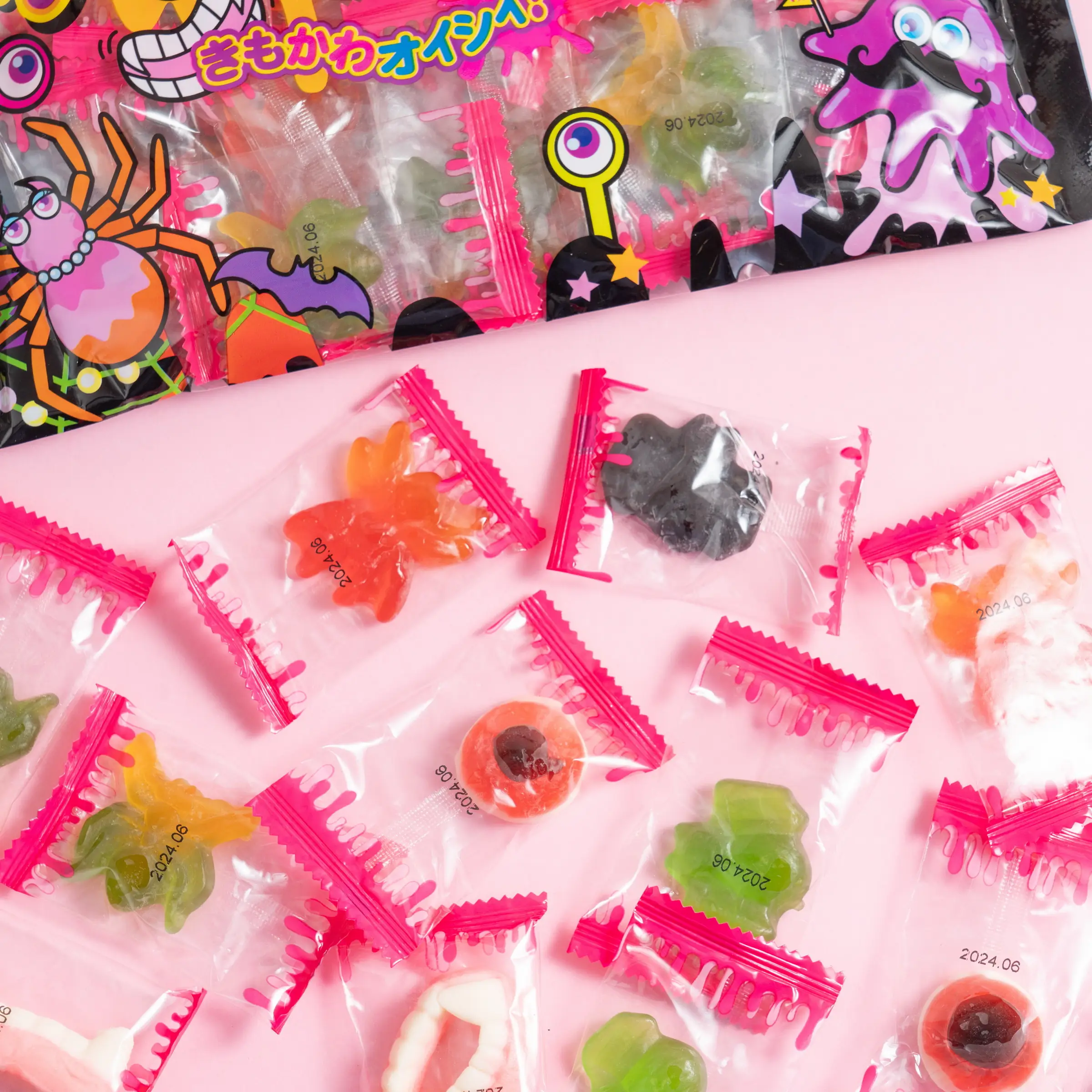
Candy can borrow its appearance from everyday food, transforming a familiar hamburger into a colorful, bite-sized sweet. The appeal of burger gummy candy comes from this playful contrast: shoppers recognize the shape immediately, yet the product offers a confectionery experience rather than a savory meal.
Behind the novelty lies a combination of formulation, molding, color application, and packaging decisions that determine how well the finished candy holds its shape and texture. At HAPI, we see themed gummies as an interesting example of how food design and confectionery technology work together to create products with a distinct identity.
What Gives Hamburger Gummies Their Distinctive Appearance
Hamburger-inspired gummies typically use several visual elements to imitate the layers of a burger, such as a bun, filling, or colorful decorative details. Depending on the design, these components may be formed as separate pieces or incorporated into a single molded shape. The construction affects not only appearance but also how the candy is assembled, handled, and packaged.
Color contrast helps shoppers distinguish the simulated layers. Warm shades may suggest bread, while brighter colors can represent sauces or vegetables. Food colorings and permitted color additives must comply with the rules of the intended market, and the final appearance depends on the formulation, processing conditions, and stability of the colors used.
Texture contributes to the illusion as well. A soft, elastic gummy behaves differently from a firmer jelly confection, so the recipe must suit the intended eating experience. Manufacturers consider moisture content, gelling ingredients, and the balance between sweetness and acidity when developing a texture that can survive production and distribution without becoming excessively sticky or brittle.
How Ingredients Shape Texture and Flavor
The ingredient system determines how the candy sets and how it feels when chewed. Gelatin forms an elastic gel, while pectin can create a different bite depending on its type, acidity, and sugar concentration. Other gelling systems may be used according to the desired texture and product requirements. Ingredient selection therefore involves more than choosing between two familiar options.
Sweeteners contribute sweetness, solids, and structure. Sugar and glucose syrup are commonly used in many gummy formulations, although proportions vary by recipe. Their balance influences firmness, chewiness, moisture behavior, and resistance to crystallization. Excessive moisture can make some products sticky, whereas overly dry conditions may affect softness and eating quality.
Flavor development must account for the candy’s overall composition. Fruit flavors can provide a familiar taste that contrasts with the hamburger-inspired design, but sweetness and acidity need to work together. Manufacturers evaluate flavor intensity, aftertaste, and consistency across batches, since the novelty of the shape may attract initial attention but the taste strongly influences whether consumers want to eat the product again.
The Main Steps in Gummy Candy Production
Production begins with preparing and mixing the ingredients according to the selected formula. Sweeteners are combined with water and other components, while the gelling ingredient is incorporated under controlled conditions. Heating helps dissolve ingredients and establish the required mixture, but time and temperature must be managed carefully to avoid unwanted changes in color, flavor, or texture.
Once the mixture reaches its target properties, it can be deposited into molds. The molds define the outline and surface details of the candy, so their design influences how clearly the hamburger theme appears. Manufacturers also need to control deposit weight and fill level; uneven portions can produce inconsistent shapes or visible differences between individual pieces.
After depositing, the candy must set under suitable conditions. Depending on the formulation and manufacturing method, this may involve cooling, controlled drying, or other setting stages. The finished pieces are then removed from their molds and inspected. Additional surface treatment or assembly may be required for multi-part designs, followed by packing that protects the candy during storage and transportation.
How Manufacturers Control Shape and Consistency
Novelty shapes can be more demanding to produce than simple rounded pieces because small details are easier to distort. Mold cavities need suitable dimensions, clean surfaces, and consistent filling. If the mixture sets too quickly, some details may not fill properly; if its properties are unsuitable, the candy may lose definition during demolding or handling.
Batch controls help reduce these differences. Production teams monitor mixture temperature, depositing weight, setting conditions, and other relevant process variables. Visual checks can identify blurred details, incomplete pieces, color variation, or deformation, while weight checks help determine whether the product remains within the specified range.
Packaging, Shelf Life, and Product Safety
Packaging protects burger gummy candy from environmental conditions that may affect quality. Moisture can alter softness and stickiness, while unsuitable storage temperatures may influence texture and appearance. Packaging materials should therefore be selected according to the formulation, expected distribution conditions, and the product’s intended shelf life.
Shelf-life validation considers more than whether the candy remains edible. Manufacturers assess changes in flavor, color, texture, package integrity, and other quality indicators over time. Storage instructions and date marking should follow the applicable requirements of the destination market, while production and packing records support traceability when questions arise.
For retailers and importers, product specifications are equally important. Buyers should confirm ingredient declarations, allergen information, net weight, carton quantities, storage conditions, and applicable food-safety documentation. A wholesale candy supplier should be able to clarify the specifications relevant to the product being purchased, helping buyers evaluate whether the candy fits their market and distribution arrangements.
Conclusion
Hamburger-shaped gummies combine confectionery formulation with visual design, and their quality depends on each stage working in harmony. At HAPI, we approach themed sweets by considering the relationship between ingredients, mold design, processing controls, and the finished consumer experience.
For businesses assessing burger gummy candy, understanding these production factors provides a more useful basis for evaluating quality than appearance alone. Working with a wholesale candy supplier that can explain product specifications and manufacturing details also helps buyers make informed decisions about consistency, packaging, and suitability for their intended market.