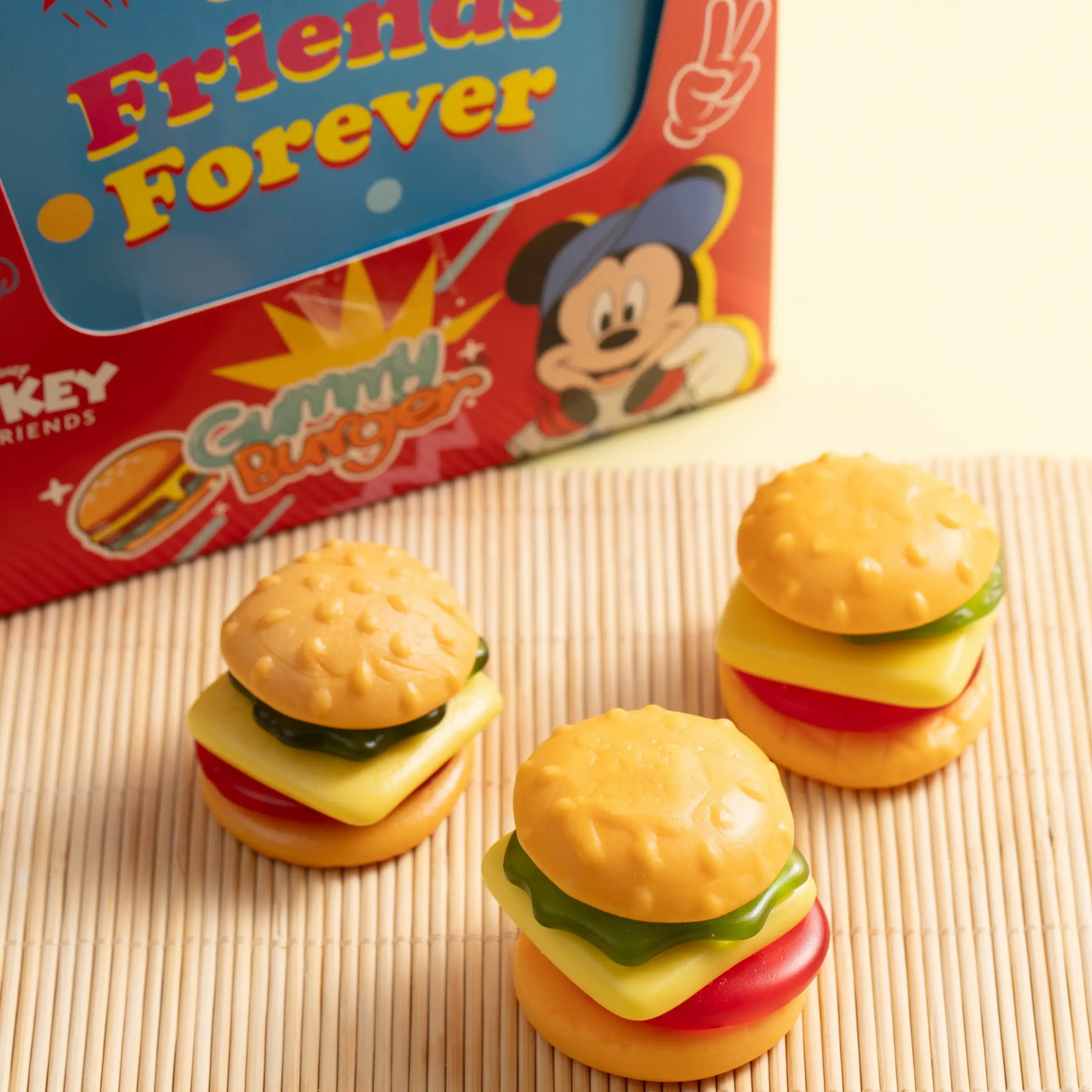
A memorable candy range is built around more than bright colors or an unusual shape; the mix of flavors can influence how shoppers explore, compare, and enjoy each piece. Burger gummy candy brings a playful visual theme to confectionery, making flavor planning an exercise in balancing familiarity with surprise. At HAPI, we consider how sensory variety, consumer expectations, and product presentation work together, because an assortment should feel thoughtfully developed rather than randomly assembled.
Give Each Flavor a Distinct Role
Flavor selection works best when every option contributes something different. Strawberry and cherry often provide recognizable berry notes, citrus can add a sharper impression, and apple may offer a fresher profile. These familiar categories give consumers useful points of reference, especially when the product is purchased on impulse and shoppers have little time to study the packaging.
However, variety can lose its value when several options taste almost identical. Two sweet fruit flavors with similar aromas may offer less contrast than their names suggest. Product developers can compare samples by sweetness, acidity, aroma, and aftertaste, then select combinations that remain distinguishable without making the overall range feel disjointed.
The intended audience should guide the final balance. Younger consumers may respond to recognizable fruit flavors and vivid visual cues, while novelty-oriented shoppers might be more interested in unexpected combinations. Reviewing customer feedback and sales data can help businesses refine the mix instead of relying entirely on assumptions about popular tastes.
Understand How Flavor Is Perceived
Taste is only one part of the sensory experience. Aroma contributes significantly to the way people identify fruit flavors, while sweetness and acidity affect how intense or refreshing a product seems. Texture also matters: the same flavor profile can be perceived differently depending on how quickly a gummy releases its taste during chewing.
Sweetness needs particular attention in an assorted range. If every option has a similarly strong sugary impression, consumers may struggle to distinguish individual flavors after sampling several pieces. Contrasting aromatic notes and carefully balanced acidity can create more variation without requiring every flavor to be dramatically different.
Temperature and storage conditions may also influence sensory perception. Aroma can become more noticeable under some conditions, while prolonged exposure to unsuitable environments may affect texture or flavor stability. Sample assessments should therefore consider not only freshly produced candy but also the conditions it may encounter during shipping, warehousing, and retail display.
Coordinate Color With Flavor Expectations
Color gives shoppers an immediate visual clue about what they might taste. Red shades are commonly associated with strawberry or cherry, yellow and orange suggest citrus, and green may evoke apple. These associations vary across cultures and individual preferences, so they are useful design references rather than universal rules.
Consistency between color and flavor helps create a clear product identity. If the appearance suggests one fruit but the aroma and taste point toward another, the mismatch can distract from the experience. During development, teams can assess the candy under consistent lighting and compare its actual flavor with the expectations created by its color.
Color selection also involves technical and regulatory considerations. Different colorants vary in stability, permitted uses, and suitability for particular markets. Manufacturers need to review applicable food regulations and test samples under realistic storage conditions before confirming the final formulation. Visual appeal is most useful when it remains consistent with product quality and labeling requirements.
Match the Assortment to the Sales Channel
Different retail environments call for different assortment strategies. Convenience stores often depend on quick recognition and straightforward choices, while gift shops may give more space to novelty and presentation. Online shoppers, meanwhile, rely heavily on photographs, product descriptions, and reviews because they cannot inspect the candy before buying.
When purchasing from a wholesale candy supplier, pack size can change the role of each flavor. A compact pack may suit individual treats, while a larger assortment could be intended for sharing or group occasions. Buyers should consider whether the number of flavor options makes sense for the pack format, expected price, and likely consumption occasion.
Demand planning matters as well. Introducing numerous flavors at once may complicate forecasting, inventory allocation, and quality monitoring. A smaller initial selection can provide useful information about customer preferences before a business expands the range. Seasonal testing and limited promotions can also reveal whether shoppers value familiar flavors more than experimental ones.
Assess Samples and Supplier Information
A reliable evaluation process goes beyond choosing favorites during a tasting session. Buyers can record flavor intensity, sweetness, aroma, chewiness, appearance, and aftertaste for each sample. Comparing several pieces rather than one helps identify variation, while repeat testing provides a clearer picture of whether the experience remains consistent across batches.
Commercial details deserve the same attention. Ingredient lists, allergen declarations, shelf-life information, packaging specifications, and applicable food-safety documentation should be reviewed before an order is confirmed. Businesses selling across multiple countries must also check destination-specific labeling requirements instead of assuming that one package is suitable for every market.
Communication with a wholesale candy supplier can clarify which flavors are available, whether assortments can be customized, and what minimum order quantities apply. For the 120g assorted gummy candy listed in our Hamburger Candy category, buyers should confirm the current flavor selection and carton configuration directly with our team, since pack details should be verified rather than inferred from the product category alone.
Conclusion
A well-planned assortment gives consumers enough contrast to make exploration enjoyable without sacrificing clarity or consistency. Familiar flavors provide an accessible foundation, sensory testing helps distinguish individual options, and thoughtful packaging connects the product with its intended buying occasion.
At HAPI, we work with buyers to clarify product specifications and discuss assortment requirements before an order is finalized. Businesses considering burger gummy candy can use these evaluation principles to develop a more informed product plan, while a knowledgeable wholesale candy supplier can help clarify the practical details behind flavor availability, packaging, and production.