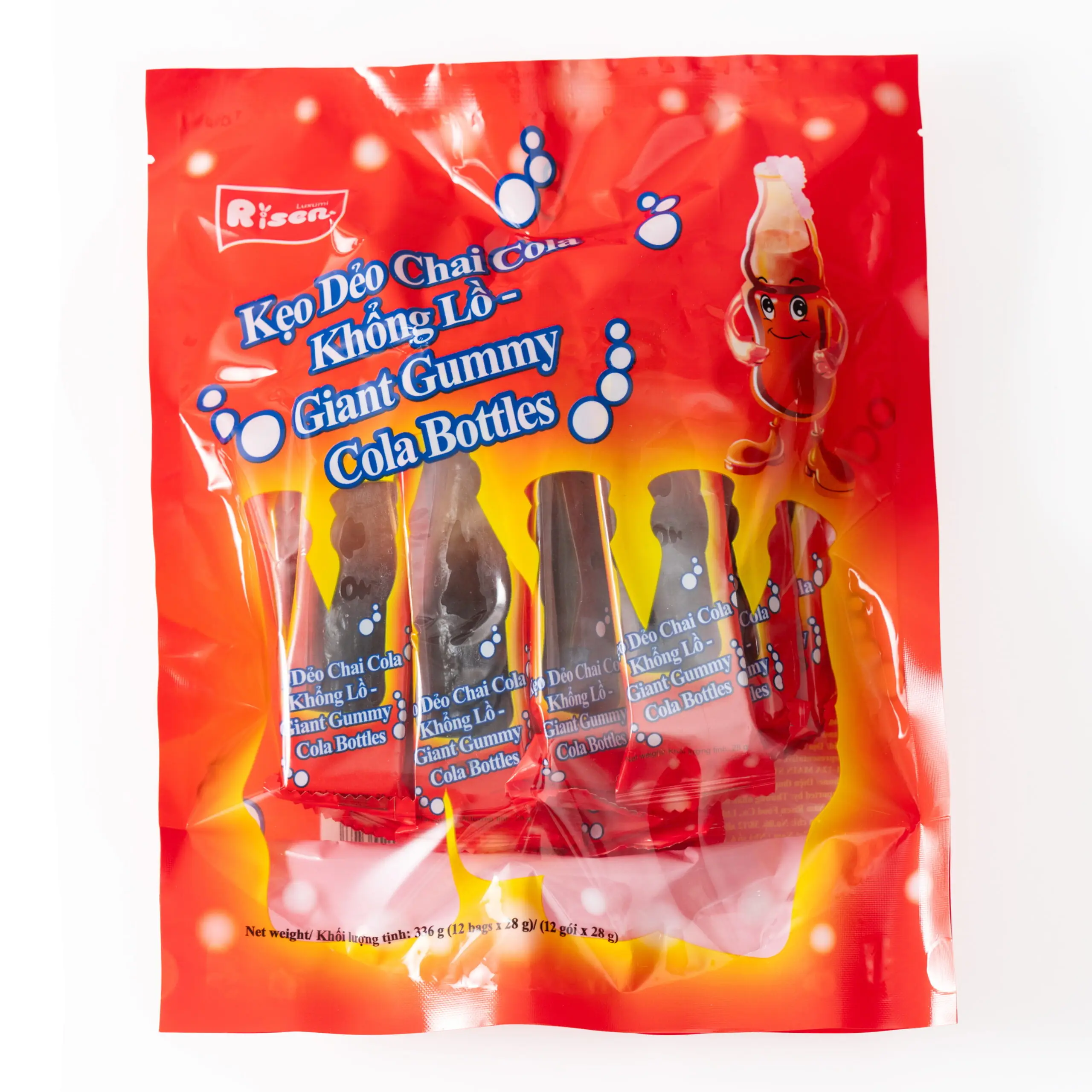
Turning an idea into a confectionery product involves far more than drawing an appealing shape. Flavor, texture, ingredient compatibility, mold design, packaging, and production limits all influence whether a concept can become a commercially viable sweet.
Custom gummies give brands room to develop distinctive products, but successful development depends on translating creative ideas into specifications that manufacturers can test and reproduce. At HAPI, we approach confectionery development by connecting product concepts with practical considerations throughout the production process.
Define the Idea Before Choosing the Ingredients
Every development project benefits from a clear product brief. Rather than beginning with a long list of possible flavors or shapes, teams should first identify the intended audience, sales channel, desired eating experience, target price, and package format. These decisions establish useful boundaries and prevent later changes from affecting several parts of the project at once.
Visual references can help communicate the concept, but a sketch rarely captures every production requirement. Developers should specify approximate dimensions, color combinations, surface details, and whether the design needs to resemble a logo, character, fruit, or abstract form. Reference images should distinguish essential features from decorative details, giving the technical team room to assess what is feasible.
The brief should also identify non-negotiable requirements. These might include dietary preferences, ingredient restrictions, market-specific labeling rules, or packaging expectations. Halal or kosher certification, for example, should be discussed early if relevant; suitability depends on ingredients, processing, and the applicable certification requirements, not simply on the product category.
Translate the Sketch Into a Mold Design
A two-dimensional illustration must be adapted to a three-dimensional form before manufacturing can begin. Depth, angles, fine lines, and narrow sections may look attractive on paper but behave differently when molded. Designers therefore need to consider whether the intended details can be formed consistently and released from the mold without unnecessary distortion.
Scale creates another challenge. Tiny decorative features may lose definition when reduced, while deep recesses or unusually thin sections may complicate production. Reviewing a digital model or physical prototype allows the team to identify these issues before committing to larger production quantities. Simplifying selected details can sometimes preserve the concept more effectively than reproducing every line of the original drawing.
Material and mold choices also affect the finished surface. The formulation’s viscosity, setting behavior, and release characteristics interact with mold geometry. Close coordination between design and manufacturing teams helps determine which details should remain, which need adjustment, and which require additional testing.
Develop Flavor and Texture Together
Flavor selection should reflect the intended eating experience rather than operate as an isolated decision. Fruit profiles such as mango, strawberry, and lychee offer different aromatic characteristics, sweetness impressions, and levels of perceived freshness. Combining flavors can create a broader sensory profile, although the final balance depends on the formulation and the way consumers experience each component.
Texture needs equal attention during development. Firmness, elasticity, chewiness, and the speed at which flavor becomes noticeable can all influence how a gummy is perceived. Changes to sweeteners, gelling agents, acids, or moisture levels may affect several characteristics at once, so formulation trials should document each adjustment and its observed results.
A custom gummy manufacturer can help assess how the desired sensory profile fits the intended product format and manufacturing process. Small-scale trials allow developers to compare candidate formulations before deciding which version merits further testing. Sensory feedback should be recorded systematically, with separate observations for aroma, flavor intensity, chewiness, and aftertaste rather than relying on a single overall score.
Test Stability Before Scaling Up
A sample that looks and tastes appealing immediately after production may change during storage. Temperature, humidity, light exposure, packaging permeability, and the formulation itself can affect moisture, texture, color, or flavor over time. Stability testing helps developers understand which conditions are appropriate and whether the proposed packaging provides suitable protection.
Testing should follow a planned schedule, with observations recorded at consistent intervals. Teams can compare appearance, odor, texture, packaging condition, and other relevant quality attributes against an initial reference sample. Any change should be evaluated in context; for example, surface stickiness may relate to moisture conditions, but further investigation is needed to identify the actual cause.
Food safety and shelf-life decisions require more than visual inspection. Appropriate testing, ingredient documentation, production controls, and market-specific regulatory review all contribute to a defensible product specification. Shelf-life claims should be supported by suitable evidence rather than estimated from appearance alone.
Prepare Packaging and Production Specifications
Packaging affects both presentation and product protection. The chosen format should suit the gummy’s dimensions, expected handling conditions, distribution route, and intended retail environment. Clear packaging can highlight the product’s shape and color, while printed bags or boxes provide space for branding and required information.
Artwork preparation should proceed alongside packaging evaluation. Teams need to check the accuracy of product descriptions, ingredient statements, allergen declarations, net quantity, storage guidance, and other applicable label details. Requirements differ between markets, so a design approved for one destination may need revision before being used elsewhere.
Before production begins, the project brief should become a practical specification covering the approved formulation, dimensions, color references, packaging format, quality criteria, and order quantities. For custom gummies, written approval of the final sample and specifications reduces ambiguity when different teams handle procurement, manufacturing, inspection, and distribution.
Conclusion
Moving from a concept sketch to a market-ready sweet requires creative thinking supported by technical evaluation. Shape development establishes what can be molded, formulation trials define the sensory experience, and stability checks, packaging reviews, and pilot runs test whether the concept can work in practice.
Businesses exploring custom gummies should discuss feasibility, specifications, and testing requirements early with a custom gummy manufacturer. At HAPI, we work with customers to clarify development needs and evaluate practical production considerations, helping each project progress from an initial idea toward a clearly defined product.