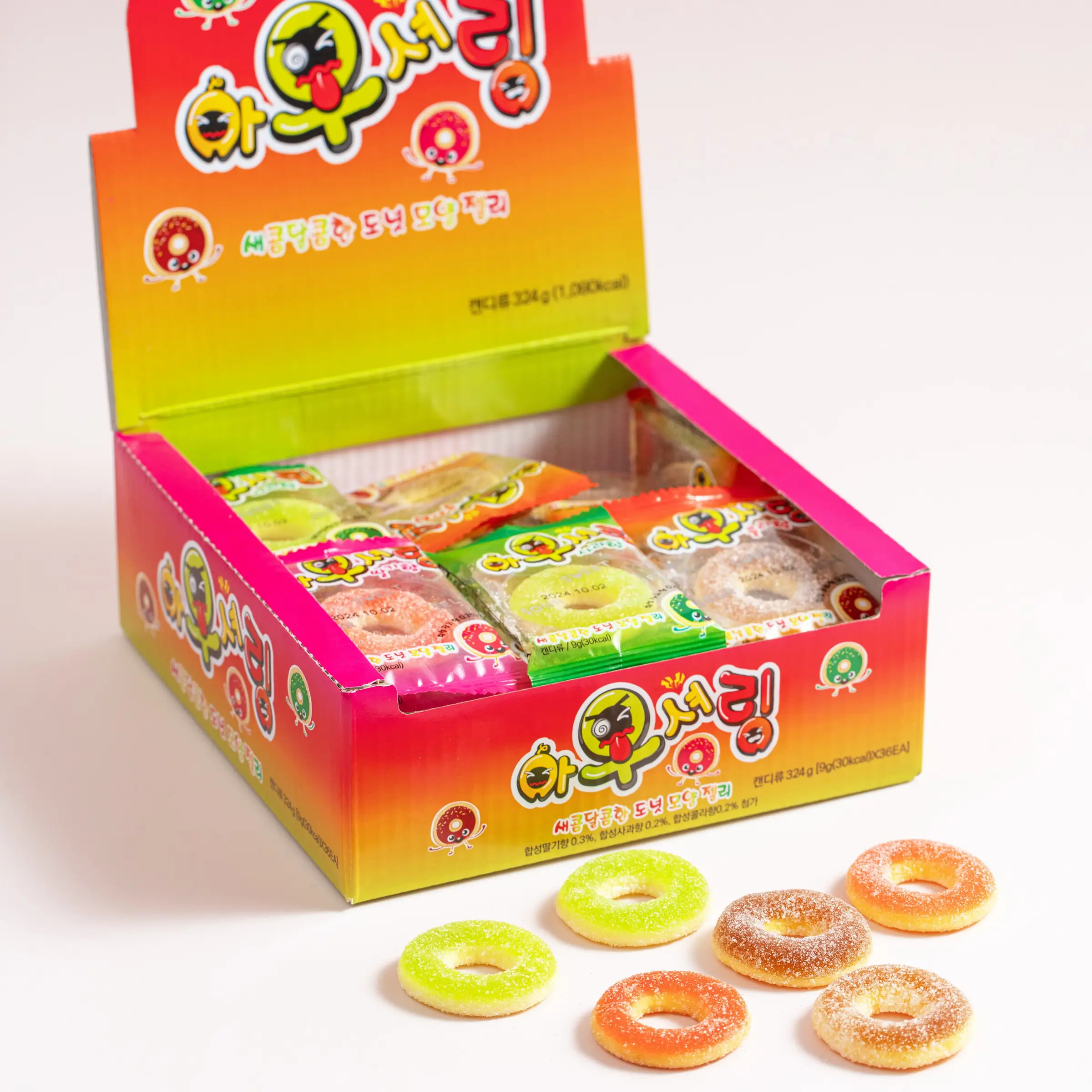
Bright hues and intense aromas often draw candy lovers straight toward soft fruit gummies. Behind that eye-catching visual appeal lies a careful balance of chemistry and culinary technique. Understanding how natural and synthetic dyes interact with heat helps explain why these chewy treats look so vibrant on store shelves. Our team at HAPI spent years studying how thermal processing shifts food pigments during large-scale production.
Natural Color Extraction Methods
Pigments derived from fruits, vegetables, and plants provide rich shades without synthetic additives. Concentrate derived from black carrots creates deep red tones, while turmeric provides bright yellow shades. Heat stability remains a core challenge, as delicate organic pigments break down quickly when temperatures rise beyond critical thresholds during cooking.
Moisture control during cooking protects these botanical pigments from degrading during processing. Manufacturers monitor pH levels continuously, because anthocyanins shift from vibrant red to dull blue when acidity alters slightly. Careful starch molding preserves these fragile shades without requiring artificial stabilizers.
Dehydration steps following setting further concentrate visual saturation. Removing excess water concentrates natural color compounds throughout the gelatin matrix. Storage temperature controls prevent premature degradation before packages leave manufacturing facilities.
Science of Flavor Compound Infusion
Aroma compounds evaporate quickly when exposed to high processing temperatures. Essential oils and aromatic esters require vacuum blending or late-stage injection after cooked mixtures begin cooling. Volatile flavor molecules bind securely to gelatin chains when added at precise thermal windows.
Botanical extracts provide complex sensory profiles that mimic actual fruit juices. Citrus oils bond effectively with lipid-rich carriers, which stabilizes aroma intensity over long storage durations. Sugar coatings or sour powders can also protect surface aromatics against oxidation over time.
Sensory balance relies heavily on organic acid ratios, such as citric and malic acids. Acidic compounds amplify fruit perception, making sweet aromatic notes taste significantly sharper. Balanced formulations prevent high acidity from breaking down structural gelling networks.
Role of Thermal Processing
Heating sugar syrups transforms viscosity while activating liquid gelling agents. Cooking kettles must maintain uniform thermal distribution to prevent localized burning or color darkening. Precise boiling curves dictate moisture retention levels in final batch formulations. Batch-to-batch consistency therefore depends on how closely these curves are monitored and reproduced.
Cooling tunnels rapidly set liquid mixtures inside starch molds to seal in aromatics. Sudden temperature reductions stabilize gel matrices, preventing volatile flavor loss into surrounding factory air. Controlled cooling keeps optical clarity high, yielding glossy translucent textures. Cooling rate also influences final texture, since slower setting can produce a firmer or chewier bite.
Vacuum cooking lowers necessary boiling points, preserving heat-sensitive natural flavors. Reducing atmospheric pressure lets workers cook batch bases efficiently without scorching sugar components. Flavor yields improve markedly under low-pressure conditions. This makes vacuum cooking especially useful for fruit-forward formulations where delicate aroma compounds would otherwise degrade.
Modern Manufacturing Standards
Industrial starch casting technology enables high-volume output with minimal shape variance. Automated depositories pump precise slurry volumes into conditioned starch beds at high speeds. Global fruit jelly candy manufacturers rely on this approach to maintain consistent piece weights across large batch runs.
Quality assurance protocols analyze moisture activity to stop sugar crystallization during transport. Modern testing equipment measures gel strength, color stability, and volatile loss after simulated shelf-life periods. Environmental controls in packing rooms keep moisture from dulling surface finishes.
Traceability systems monitor ingredient lots from raw plant extracts to sealed cartons. Clean room standards protect uncoated soft candies from airborne contaminants during drying cycles. High-efficiency sorting equipment filters out misshapen units prior to final wrapping. These integrated measures help maintain product consistency and safety across large-scale production runs.
Product Formulations and Finishing Touches
Surface finishing adds both visual contrast and immediate taste impact to chewy confections. Coated options like our Gummy Ring with sugar/sour powder combine tangy outer dusted coatings with sweet internal fruit flavors. We package these dual-textured rings into 12 bags per carton (350g × 12 bags) formats to safeguard product integrity throughout international shipping routes.
Acidic dusting powders require specialized moisture barriers to prevent surface weeping inside sealed bags. Blending fine sugar crystals with encapsulated acids prevents immediate moisture absorption from surrounding air. Proper sealing parameters preserve distinct sour notes until consumers open individual packages.
Customizable flavor blends allow tailored production batches suited for varying regional taste profiles. Adjusting natural juice concentrations yields distinctive tart or sweet undertones without altering structural stability. Careful finishing transforms cooked gel bases into market-ready confectionery items. These finishing decisions help maintain a consistent eating experience across production batches and storage conditions.
Conclusion
Creating colorful, fragrant fruit gummies requires combining organic chemistry with precise factory engineering. Balancing temperature control, acid levels, and aroma injection keeps confections visually appealing and flavorful throughout shelf life. Experiencing these balanced flavors firsthand shows how technical precision shapes everyday treats. From our facility at HAPI, we remain dedicated to refining gel stability and flavor delivery across every single batch we craft.