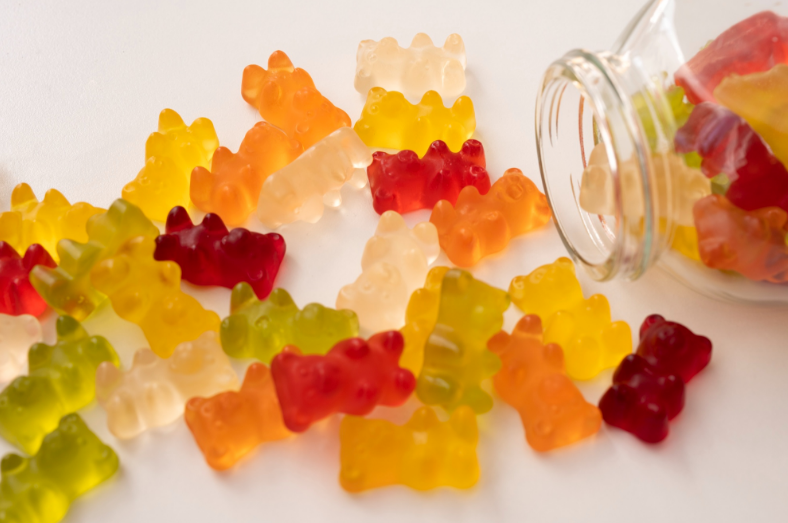
Texture is one of the defining characteristics of gummy candy. Consumers may notice flavor first, but the bite, chew, softness, and elasticity strongly influence whether a product feels playful, premium, familiar, or distinctive. For brand owners, texture is therefore a commercial consideration rather than simply a formulation detail. Working with a capable private label gummy manufacturer can help businesses connect texture choices with target consumers, product concepts, pricing, and sales channels.
Why Texture Matters in Gummy Positioning
Gummy candy is typically associated with a soft and chewy eating experience, but products can vary considerably in firmness, elasticity, and bite. These differences influence how consumers perceive the candy and whether its eating experience matches the expectations created by its packaging and marketing.
A softer gummy can create an approachable, easy-to-chew experience, while a firmer texture may provide a more substantial bite. Stretchiness and elasticity can also contribute to the sensory identity of a product. Neither approach is universally suitable; the appropriate choice depends on the brand concept and intended audience.
For a private label gummy, these sensory characteristics should be considered alongside shape, color, flavor, and package design. A novelty-shaped candy may benefit from a texture that emphasizes its playful character, while a premium confectionery line may require a carefully controlled bite that feels consistent from piece to piece.
Match Texture With the Target Consumer
Product positioning starts with understanding who will buy and consume the candy. Children, families, adult confectionery consumers, gift buyers, and specialty candy shoppers may have different expectations regarding the eating experience.
Brand owners should identify whether the product is intended to emphasize fun, indulgence, novelty, portability, or a particular flavor experience. Texture can then become part of that positioning rather than being selected independently.
A private label gummy manufacturer should be able to discuss how formulation and processing affect the final sensory characteristics. During development, brands can evaluate samples for firmness, chew duration, elasticity, mouthfeel, and overall consistency before approving a production specification.
Texture Can Support Premium Positioning
Premium positioning depends on more than expensive-looking packaging. Consumers often evaluate quality through the actual eating experience. Consistent texture can contribute to the perception that a product has been carefully developed and manufactured.
For premium gummies, brands may pay particular attention to uniformity. Each piece should provide a predictable bite and mouthfeel, because significant variation can weaken the overall product experience. Texture should also work together with flavor intensity, shape, and appearance to create a coherent identity.
We approach custom gummy development with these factors in mind. As a professional custom gummy candy manufacturer, we provide custom-shaped gummy candy and custom-made gummy candy solutions. This gives brand owners opportunities to coordinate the physical design and sensory characteristics of a product around a specific market concept.
Novelty Gummies Need a Distinctive Eating Experience
Novelty gummies often depend on recognizable shapes to attract attention, but the sensory experience can reinforce the concept after purchase. An unusual shape combined with an appropriate chew can make the product more memorable and differentiate it from conventional gummy formats.
For seasonal products, character-shaped candies, and other creative concepts, texture can become part of the product story. However, brands should avoid assuming that an unusual shape automatically requires an unusual texture. The two elements should complement one another while maintaining practical production and packaging requirements.
When working with a private label gummy manufacturer, brand owners can provide references or benchmark samples to communicate the desired experience. Side-by-side sampling can make subjective terms such as “soft,” “chewy,” or “firm” more meaningful during product development.
Consider Texture Alongside Flavor and Shape
Texture should never be evaluated in isolation. A very intense fruit flavor may create a different sensory impression when paired with a soft gummy than when paired with a firmer, longer-lasting chew.
Shape can also influence perception. Small pieces may be consumed quickly, while larger or more complex shapes can encourage a different eating rhythm. These factors affect how consumers experience flavor release and overall mouthfeel.
We can work with brand owners to consider these elements together. Through OEM and private-label services, HAPI supplies safe, consistent, and market-oriented confectionery products to customers worldwide. Our development approach allows product characteristics to be considered as a coordinated package rather than isolated specifications.
Consistency Is Essential for Repeat Purchases
A strong first impression is valuable, but repeatability is equally important for a commercial gummy product. If consumers purchase the same product again, they generally expect a similar experience in terms of texture, flavor, appearance, and overall quality.
For brand owners, this makes manufacturing consistency an important part of product positioning. Sampling should establish clear expectations before mass production, while production controls should help maintain the approved characteristics across batches.
Businesses evaluating a private label gummy manufacturer should therefore ask how product specifications are documented and how consistency is monitored. Clear communication between formulation, production, quality control, and packaging teams can reduce unwanted variation and support a reliable customer experience.
Turn Texture Into a Strategic Brand Attribute
Texture can influence how consumers interpret gummy candy, from approachable and playful to substantial and premium. The most effective approach is not simply to choose the softest or firmest option, but to select characteristics that support the product concept, audience, flavor, shape, and sales strategy.
At HAPI, we combine our Vietnam gummy candy manufacturing capabilities with custom-shaped and custom-made gummy candy solutions. Through OEM and private-label services, we work with businesses seeking safe, consistent, and market-oriented confectionery products. For brands developing a private label gummy, we can discuss texture, shape, flavor, and customization requirements as part of a coordinated product development process.