A low quoted price can look attractive when sourcing confectionery, but unit cost is only one part of the purchasing decision. For retailers, distributors, private-label brands, and importers, supplier performance also affects product consistency, development speed, compliance, packaging, and supply stability. When comparing gummy candy manufacturers, buyers need a broader framework that shows what they are receiving for the total cost.
A useful comparison starts with the product and then moves through quality systems, innovation, production capability, communication, and commercial support. Looking at these factors together helps distinguish a supplier offering sustainable value from one competing mainly on price.
Start With Product Quality and Consistency
Gummy products depend on controlled formulation and processing to achieve consistent texture, appearance, flavor, and finished weight. A supplier should explain how it manages raw materials, production parameters, in-process checks, and finished-product inspection. Buyers can request samples from different batches where possible and compare them against approved specifications.
Consistency matters particularly for repeat orders. A product that performs well in the first shipment but changes later can create complaints, additional inspections, or inventory issues. Therefore, the comparison should consider quality procedures rather than relying only on a single sample.
Compare R&D and Product Innovation
Product development capability can be overlooked when comparing gummy candy manufacturers. A supplier with an active R&D function can help customers respond to changing consumer preferences, develop new concepts, and refine existing products. Buyers should ask about the R&D team’s experience, sample development process, formulation support, and revision timelines.
We maintain a dedicated product R&D team of five experienced experts focused on product innovation and improvement. We also continue developing our gummy vitamin production techniques and collaborate with international professionals for long-term quality improvement. This supports customers who need more than basic manufacturing and want products that can evolve with their markets.
Evaluate Food Safety and Manufacturing Controls
Food safety should be assessed through documented systems and current certifications, not simply marketing language. ISO 22000 specifies requirements for a food safety management system and applies to organizations across the food chain. FSSC 22000 builds on ISO 22000 with prerequisite programs and additional scheme requirements. These frameworks give buyers useful reference points for supplier due diligence.
Ask potential suppliers for relevant certificates, audit information, traceability procedures, allergen controls, and testing documentation. Requirements depend on the product and destination market. For supplement-style gummies, labeling and nutrition requirements may also apply, so buyers should confirm the rules relevant to their market rather than assume one approach fits every country.
Look at Customization and Product Range
A supplier’s customization capability can influence brand differentiation and future product development. Compare available shapes, flavors, colors, textures, active ingredients where applicable, packaging formats, and labeling support. Also clarify whether the factory provides OEM, ODM, or private-label services and what minimum order quantities apply.
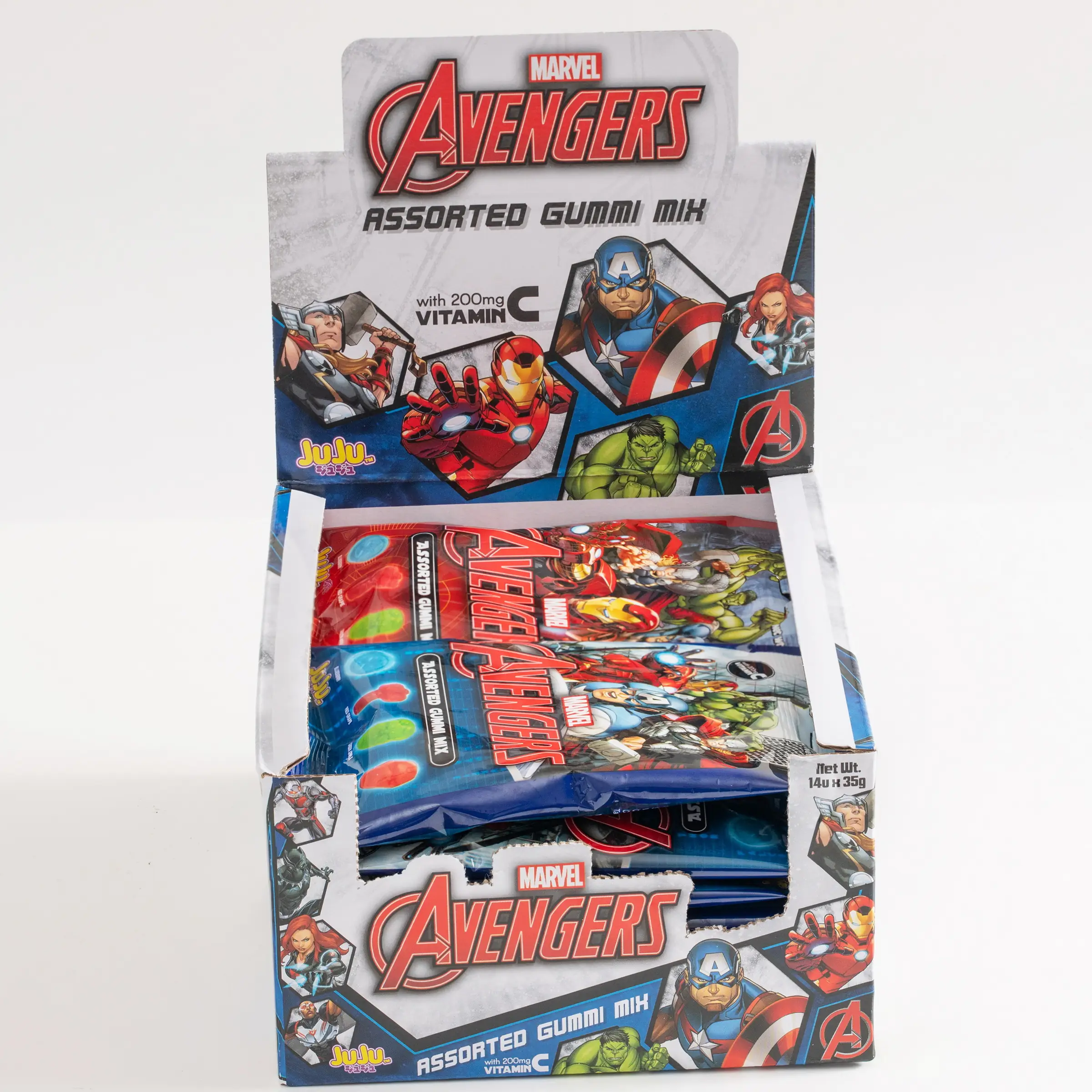
Our Disney Avengers gummy candy is presented in fun Avengers shapes and natural flavors, with a formulation described around Vitamin C, Vitamin D, Zinc, and antioxidants. For buyers developing children’s wellness products, the comparison should include exact formulation, dosage, labeling, claims substantiation, and market requirements rather than judging the product by appearance or unit price alone.
Compare Production Capacity and Delivery Reliability
Production capacity becomes important when a product moves from trial launch to regular orders. Ask about available equipment, capacity, production scheduling, lead times, and how the supplier handles peak demand. A factory that cannot scale with sales may create stock shortages even if its initial quotation is competitive.
Delivery reliability should also be assessed through communication and planning. Buyers can ask how production milestones are confirmed, how changes are documented, and how delays are communicated. When comparing a gummy candies supplier, evaluate the purchasing process from sample approval to shipment rather than focusing only on the factory gate price.
Calculate Total Cost of Ownership
A meaningful supplier comparison should include costs beyond the quoted unit price. Consider sampling, molds or tooling, packaging, artwork preparation, testing, inspections, freight, import-related expenses, and inventory requirements. Different suppliers may include different services in quotations, so comparing headline prices without standardizing specifications can be misleading.
MOQ is another commercial factor. A lower unit price may require a larger purchase, tying up working capital and increasing inventory exposure. Conversely, a smaller order may have a higher unit cost but reduce overstocking risk during a new product launch. Buyers should model total cost at realistic order volumes.
Assess Communication and Long-Term Support
Good supplier relationships depend on clear communication as much as manufacturing capability. Evaluate how quickly the team answers technical questions, whether specifications are documented, and how revisions are handled. A responsive supplier can reduce misunderstandings during sampling, artwork approval, production, and repeat ordering.
Long-term support also matters when consumer preferences change. We continually work on product improvement and develop new gummy vitamin techniques to keep pace with changing tastes. Our goal is to combine manufacturing with practical product development support, giving business customers a foundation for expanding or refreshing their confectionery portfolios.
Build a Balanced Supplier Comparison
Comparing gummy candy manufacturers beyond unit price means assessing quality consistency, R&D, food safety, customization, capacity, delivery, total costs, and communication together. Use the same product specifications when requesting quotations so each supplier is evaluated against comparable requirements.
For businesses searching for a gummy candies supplier, a structured scorecard can make sourcing decisions more transparent. At HAPI, we combine our R&D capabilities, product development focus, and manufacturing experience to support OEM and private-label confectionery projects. Contact us to discuss your product concept and requirements so we can explore a suitable gummy candy solution for your market.