Flavor selection can shape how buyers perceive a gummy line, from the first sample to repeat orders. For retailers, distributors, and emerging candy brands, the challenge is choosing more than flavors that taste good. We need to consider target consumers, occasion, product format, assortment strategy, ingredient expectations, and production feasibility. Working with a private label gummy manufacturer can help turn those commercial requirements into a practical flavor portfolio rather than disconnected tastes.
Start With the Target Market
The flavor list begins with the people expected to buy the finished product. Age, occasion, and regional preferences can influence the direction. A playful line aimed at younger consumers may suit familiar fruit or candy profiles, while a premium assortment may benefit from more distinctive combinations.
We recommend defining the product positioning before requesting samples. A seasonal retailer may prioritize recognizable flavors and visual associations. A specialty brand may instead want less conventional profiles that support a specific concept. This brief gives a private label gummy manufacturer a clearer basis for developing and comparing samples.
Build Around Familiar Flavors First
A new gummy line does not need a long list of unusual flavors. Familiar choices such as strawberry, grape, orange, lemon, watermelon, and peach give consumers recognizable reference points. FDA resources also identify many of these as established flavor terms, illustrating how broad the conventional flavor vocabulary can be.
A practical approach is to establish a core range and add differentiated options. For example, an assorted gummy collection can combine several recognizable fruit profiles without making every SKU identical. This structure simplifies assortment planning while leaving room for future editions.
Match Flavor With Shape and Concept
Flavor should reinforce the product’s physical identity. A cola bottle naturally creates expectations around a cola profile, while novelty shapes can support flavors selected for fun, surprise, or seasonal appeal. This connection matters when packaging, shape, color, and flavor form one retail proposition.
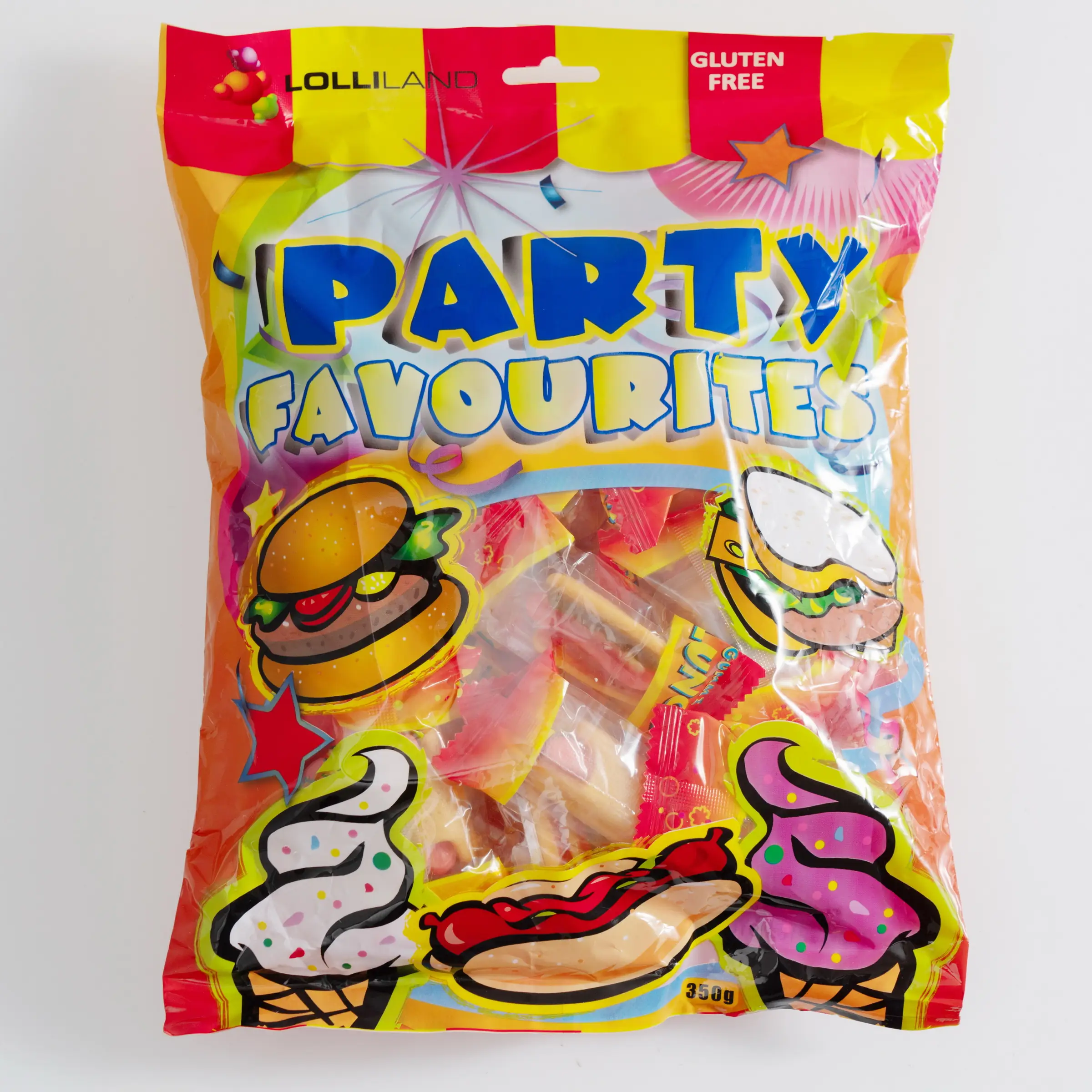
Our 28g Gummy Cola Bottles and 28g Big Gummy Hot Dog illustrate how recognizable concepts can guide product development. Our Halloween Gummy Candy can likewise support a seasonal assortment where flavor choices work alongside shapes and presentation.
Consider Ingredient and Labeling Requirements
Flavor selection also has a regulatory and labeling dimension. In the United States, food ingredients generally must be declared on the label, and FDA guidance allows certain flavor ingredients to be declared as natural flavor, artificial flavor, or other applicable terms. Ingredients must meet applicable safety requirements whether naturally or artificially derived.
Buyers should ask what flavor system is proposed and whether it fits the target market and label strategy. Claims such as “natural” also deserve careful review because FDA has a longstanding policy on the term rather than a formal regulatory definition. A capable supplier should discuss formulation and documentation early.
Evaluate Flavors Through Samples
Flavor names cannot tell us whether a finished gummy will deliver the desired experience. We need to evaluate aroma, initial taste, sweetness, acidity, flavor intensity, aftertaste, and how these characteristics work with the gummy’s texture. Samples should be compared under consistent conditions.
Sampling is more useful when it follows a defined scorecard. We can assess whether a flavor is immediately recognizable, whether it matches the intended consumer profile, and whether it remains appealing after several pieces. Feedback should be specific enough for the supplier to adjust the formula or recommend alternatives.
Balance the Portfolio
A strong gummy line should have a reason for each flavor. Too many similar fruit profiles can make the range feel repetitive, while too many experimental choices can make it harder for buyers to understand the assortment. We suggest dividing the portfolio into core, seasonal, and signature flavors.
Balance can also depend on format. Our 50g Bulk Burger Candy and Assorted Gummy show how novelty and variety can become part of the product proposition rather than simply an added flavor choice. The goal is a range where each SKU has a clear role and the line feels coherent.
Plan for Scalability
Flavor selection should be evaluated alongside expected volumes, packaging, target markets, and future SKU expansion. A flavor that works for a sample may require further development before becoming a repeatable commercial product. Early communication about specifications and market requirements can reduce reformulation later.
When we work with buyers on OEM and personalized candy solutions, we can use the initial concept to guide the product discussion from flavor and format to the finished assortment. Choosing a private label gummy manufacturer can become part of a repeatable product development process.
Make Flavor Selection Part of the Brand Strategy
Choosing flavors for a gummy line is ultimately a balance between consumer familiarity, product identity, regulatory considerations, and commercial differentiation. Starting with the target market, testing recognizable profiles, and organizing the assortment around clear roles can make the decision more structured.
At HAPI, we provide tailored gummy candy options as a gummy candy manufacturer and custom gummy candy manufacturer in Vietnam, including OEM and personalized solutions. Our goal is to help buyers connect flavor, format, and market positioning. For brands planning a new line or expanding an existing one, we welcome the opportunity to discuss your requirements.