The fruit taste of a gummy depends on more than the name printed on its package. Ingredient sources, aroma compounds, acidity, sweetness, and processing conditions all influence how consumers experience each bite. When evaluating fruit flavored gummy candy, buyers should look beyond whether a flavor is described as natural or artificial and examine its composition, sensory performance, labeling requirements, and suitability for the intended market. At HAPI, we believe clear ingredient information and careful product evaluation help buyers make decisions based on evidence rather than assumptions.
Understanding Natural and Artificial Flavor Sources
Natural flavors are derived from sources such as fruits, spices, or other permitted natural materials through appropriate extraction or processing methods. Their purpose is to provide or reinforce a specific flavor profile, although the term does not necessarily mean that a product contains a substantial quantity of the named fruit.
Artificial flavors use flavoring substances produced through methods classified as artificial under the relevant regulations. These ingredients can recreate familiar fruit notes or provide consistent sensory characteristics that may be difficult to obtain from variable agricultural materials. Their suitability depends on the formulation, applicable regulations, and intended consumer expectations.
The distinction between these categories should not be confused with overall product quality. Flavor origin alone does not determine sweetness, intensity, or consumer acceptance. Fruit jelly candy manufacturers need to assess the full formulation, including sweeteners, acids, coloring ingredients, and gelling agents, to understand how each component contributes to the finished candy.
Comparing Flavor Accuracy and Consistency
Fruit flavors are complex combinations of aromatic compounds rather than single, easily reproduced notes. Strawberry, mango, orange, and grape each have distinctive sensory characteristics, and consumers may respond differently to subtle changes in aroma or acidity. Flavor development therefore involves balancing several components instead of relying on one concentrated ingredient.
Natural flavor materials can vary according to their source, growing conditions, and processing history. Formulators may need to adjust a recipe when the incoming material differs from the established specification. Artificial flavor systems can offer another route to repeatability, although their performance still depends on accurate dosing, suitable storage, and controlled production conditions.
Sensory evaluation helps determine whether a formula delivers the intended experience. Testers can compare aroma, sweetness, acidity, aftertaste, and flavor persistence under consistent conditions. Blind testing is particularly useful because packaging claims may influence expectations before the candy is tasted. For fruit flavored gummy candy, documented sensory targets provide a more useful reference than relying on broad labels such as natural or artificial.
Examining Safety and Labeling Requirements
Food safety assessment should focus on the actual ingredients and their intended use. Flavoring substances must meet the relevant regulatory requirements for the destination market, and suppliers should provide appropriate specifications and supporting documentation. Buyers should also check allergen information and any handling conditions that apply to the ingredients.
Labeling rules differ across countries, including how natural and artificial flavors may be declared. A claim that is acceptable in one market may require different wording or supporting evidence elsewhere. Importers should review the final ingredient declaration and marketing language before approving packaging artwork.
Consumer expectations also influence purchasing decisions. Some shoppers actively seek naturally derived ingredients, while others prioritize taste, affordability, or familiarity. Rather than assuming that one preference applies to every market, buyers can use customer research and sales data to identify the claims and flavor profiles most relevant to their audience.
Evaluating Flavor Stability During Production and Storage
Flavor selection must account for the conditions used to manufacture gummies. Heat can change or reduce certain aromatic compounds, while ingredient interactions may affect the perceived balance of sweetness and acidity. Developers should assess how a flavor performs under the actual processing conditions rather than relying only on its characteristics before production.
Storage conditions introduce further variables. Temperature fluctuations, exposure to oxygen, and packaging properties can influence aroma retention over time. Shelf-life testing allows teams to compare samples at defined intervals and determine whether the flavor remains consistent throughout the intended storage period.
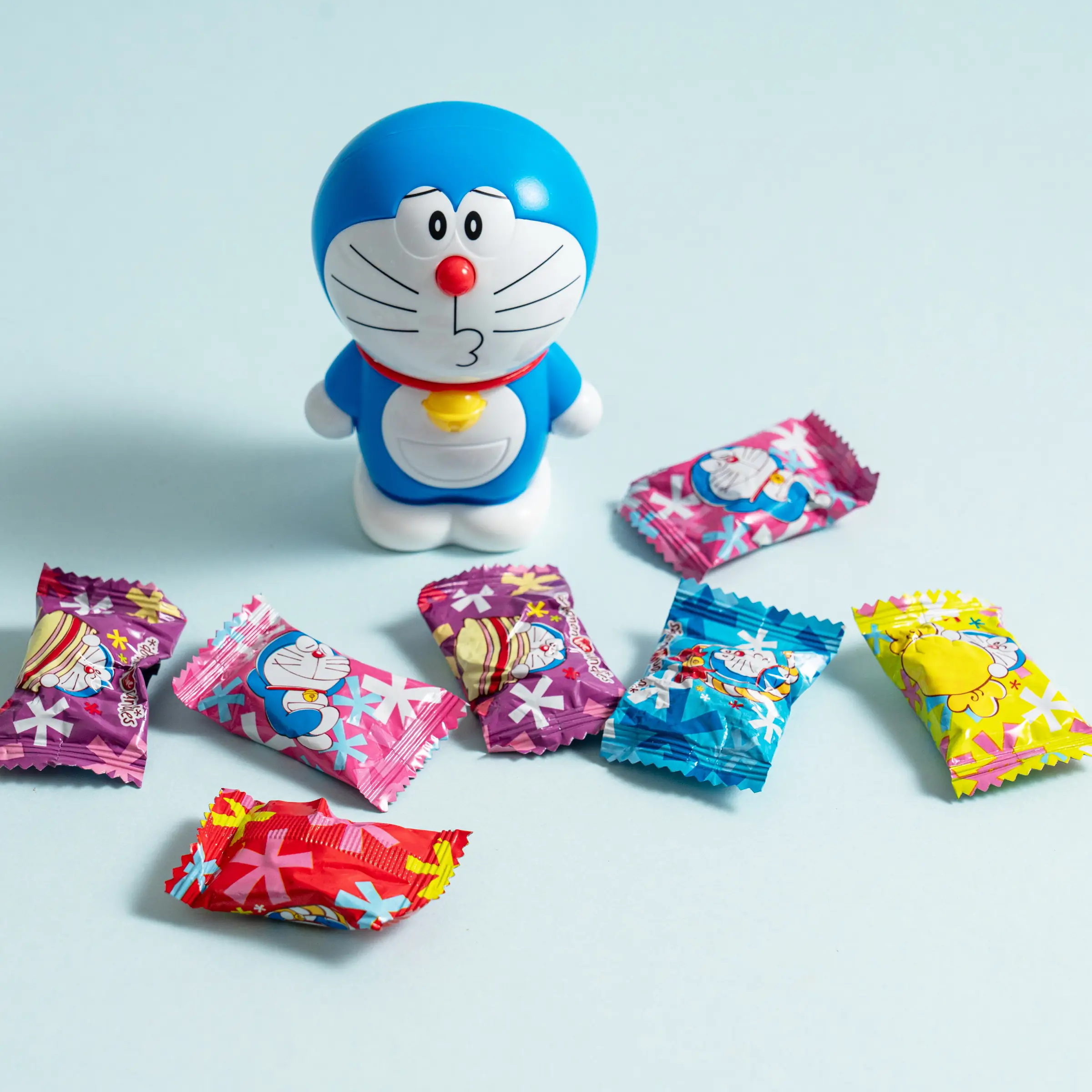
Packaging format can also shape the commercial presentation. Our Doraemon jar-packed fruit juice gummy offers branded packaging options in either bags or color boxes. Buyers considering this format should evaluate the selected package alongside the formula, checking that the final configuration suits their retail channel, storage conditions, and labeling needs. The packaging choice should support the product rather than substitute for evidence of flavor stability.
Calculating Cost and Formulation Trade-Offs
Ingredient cost is only one part of the financial comparison. Natural flavor materials may involve sourcing variability or additional specification requirements, while artificial flavor systems can have their own formulation, regulatory, and consumer-acceptance considerations. Buyers should compare the total cost of achieving the desired flavor, not simply the price per kilogram of flavoring.
Production efficiency also matters. Ingredients that require tighter storage controls, specialized handling, or additional quality checks may affect operational costs. A formula that performs consistently during cooking and storage can reduce the need for repeated adjustments, but those benefits should be verified through actual production records rather than assumed from the flavor category.
Before approving a supplier, request ingredient specifications, sample evaluation results, and details about how flavor consistency is monitored. Fruit jelly candy manufacturers should be able to explain the technical basis of their proposed formulation and identify any limitations that may affect the finished product. This information supports a more informed comparison of price, sensory quality, and commercial suitability.
Conclusion
Natural and artificial flavors each offer distinct formulation possibilities, and neither category alone tells buyers whether a gummy will deliver the experience they want. Ingredient transparency, regulatory compliance, sensory testing, processing behavior, and shelf-life performance provide a more complete basis for evaluation.
At HAPI, we approach product development by considering how flavor choices interact with the recipe and the finished format. With clear specifications and evidence-based testing, fruit flavored gummy candy can be assessed according to its actual characteristics, helping buyers select products that fit their quality expectations and target markets.