Retail shelf space is limited, and every candy pack needs a clear reason to attract shoppers. Some customers prefer the familiarity of one recognizable taste, while others enjoy discovering several flavors in the same purchase. The decision between single-flavor and assorted fruit flavored gummy candy can influence product positioning, pricing, inventory planning, and repeat purchases. At HAPI, we believe retailers should evaluate these formats according to shopping behavior and sales objectives rather than treating one option as universally better.
Matching Flavor Formats to Shopping Habits
Single-flavor packs appeal to shoppers who already know what they enjoy. Someone looking for strawberry or orange candy may appreciate a straightforward choice without needing to sort through unwanted flavors. This format can also suit customers buying snacks for a specific occasion or selecting products for people with established preferences.
Mixed assortments serve a different purpose. Variety encourages exploration, makes sharing easier, and allows several taste preferences to be accommodated within one package. Families and group buyers may find an assortment more convenient than purchasing multiple separate packs, especially when the candy is intended for parties or casual gatherings.
Retailers can use customer data to determine which behavior matters most in their stores. Sales by flavor, repeat-purchase rates, basket combinations, and customer feedback provide useful signals. Fruit jelly candy manufacturers can then work with buyers to develop pack formats that reflect the needs of the intended audience instead of relying on assumptions about flavor popularity.
Comparing Shelf Appeal and Product Positioning
A single-flavor product can communicate its identity quickly. A clearly named flavor and consistent color scheme help shoppers understand what they are buying, which may be useful in compact displays or product ranges organized by taste. Retailers can also build a coordinated collection in which each flavor has a distinct place on the shelf.
Assorted products offer a different visual opportunity. Multiple colors and shapes can suggest variety before the package is opened, making the product suitable for gifting, sharing, or novelty-focused displays. However, the assortment should still have a clear identity; too many unrelated flavor cues can make the product difficult to position.
Packaging design should reinforce the chosen strategy. Single-flavor packs benefit from strong flavor identification, while mixed packs need to communicate variety and, where relevant, identify the included flavors. Buyers should assess packaging alongside shelf dimensions, visibility, and ease of restocking rather than judging artwork in isolation.
Understanding Inventory and Demand Risk
Stock management can become more complicated when every flavor has its own individual product code. If strawberry sells quickly while another flavor moves slowly, retailers may experience uneven inventory and more frequent replenishment decisions. Forecasting each flavor separately helps buyers avoid over-ordering products with weaker demand.
Mixed assortments can simplify the shopping choice, but they do not remove all inventory risks. Their performance depends on the balance of flavors inside the pack, and one unpopular component may affect how consumers perceive the entire assortment. Retailers should also check whether the manufacturer can maintain a consistent flavor mix across production batches.
A combined strategy may provide useful flexibility. Retailers can stock familiar single-flavor options alongside a smaller range of assorted products, then compare sales velocity, sell-through rates, and markdown levels. This approach allows actual demand to guide future purchasing decisions rather than committing too heavily to one format from the outset.
Considering Product Design and Consumer Appeal
Flavor is only one part of the buying experience. Shape, texture, color, and packaging can all affect whether shoppers notice a product and remember it after the first purchase. Novelty designs may be particularly useful in gift-oriented or character-themed categories, while familiar shapes can support everyday snack positioning.
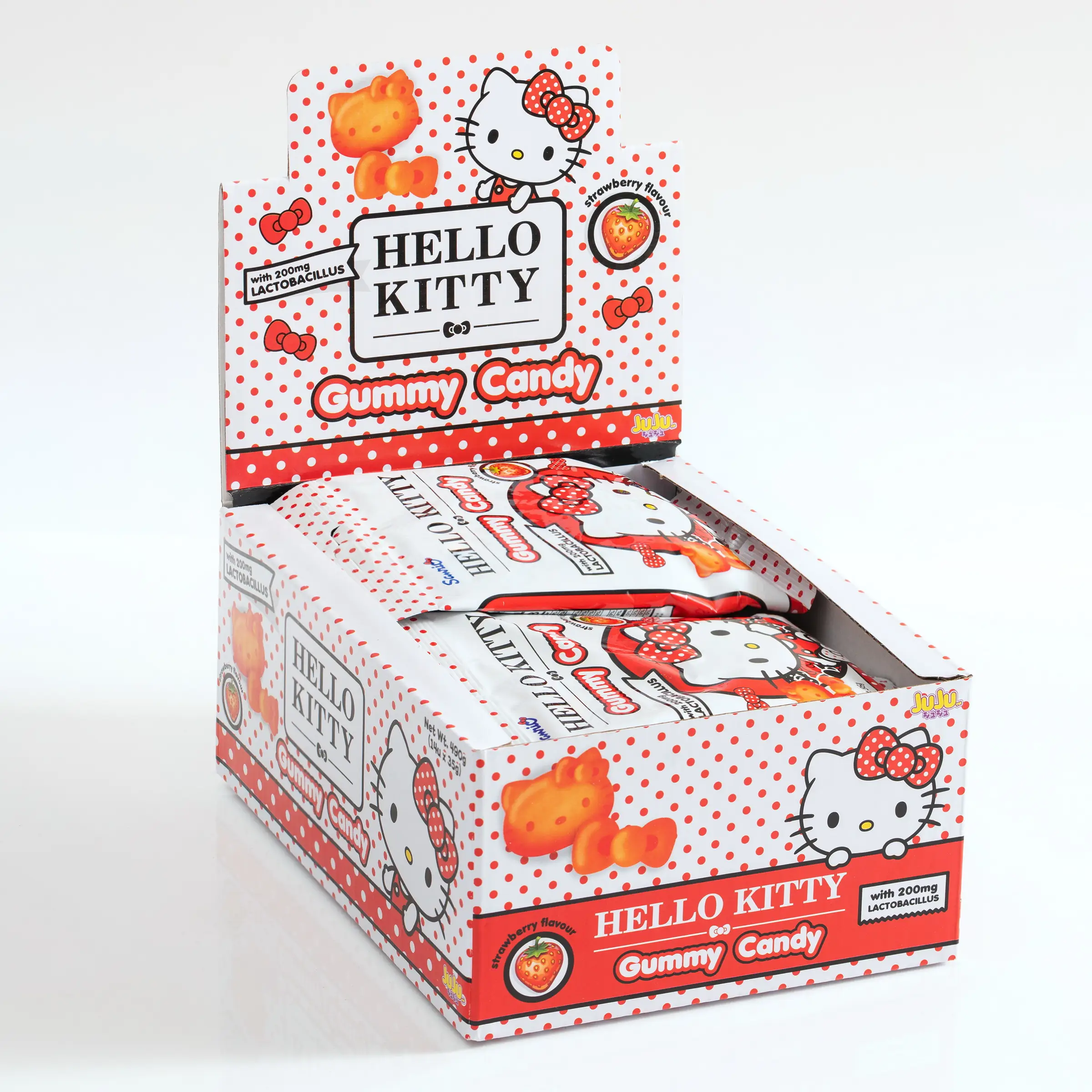
Our Hello Kitty fruit juice gummy, 35g with lactobacillus, illustrates how a themed product can combine a recognizable character with a defined pack size and an additional ingredient feature. The product information also identifies it as gelatin-free, gluten-free, made without artificial colors, and individually wrapped. Retail buyers should verify each claim against the final product specifications and destination-market labeling requirements before using it in sales materials.
Product differentiation should still serve a clear audience. A character-themed assortment may appeal to shoppers seeking small gifts or playful treats, whereas a straightforward single-flavor pack may suit customers focused on taste familiarity. Fruit jelly candy manufacturers can help retailers explore these options through product specifications, sample reviews, and discussions about packaging and flavor combinations.
Measuring Performance After Launch
Initial sales provide only part of the picture. Retailers should track whether customers return to buy the same product, whether assorted packs attract new shoppers, and whether either format encourages purchases of related items. These measures help distinguish short-term curiosity from sustained demand.
Feedback can reveal reasons behind the numbers. An assortment may sell well but receive complaints about an unbalanced flavor mix; a single-flavor pack may attract trial purchases without generating repeat orders. Reviewing comments alongside sales data gives buyers a clearer understanding of what should change.
Small, controlled tests are often more informative than launching many variations simultaneously. Retailers can compare similar stores or time periods, account for promotional activity, and adjust the range based on observed results. This process helps fruit flavored gummy candy buyers make decisions grounded in commercial evidence rather than personal taste alone.
Conclusion
Single-flavor packs offer clarity and familiarity, while mixed assortments provide variety and flexibility for sharing. Their relative performance depends on the audience, shelf strategy, inventory structure, and price expectations, so retailers benefit from testing both formats against measurable objectives.
At HAPI, we see product-format decisions as a balance between consumer preference and practical retail needs. By combining sales analysis with direct customer feedback, retailers can build a gummy selection that serves different shopping occasions without adding unnecessary complexity to their range.